
Products
Gas Pumps
Liquid Pumps
Industries & Applications
Bio pharmaceutical
Transportation
Respiratory
Printing
Medical Devices
Clinical Diagnostics
Food & Beverage
Knowledge Hub
Technology
White Papers
Webinars
Pumps Maintenance
About Us
News and Events
History
Values
Worldwide Locations
Distributors
Download Center
Careers

Peristaltic Tube Pump Solutions for Precise Fluid Handling in Medical and Industrial Applications

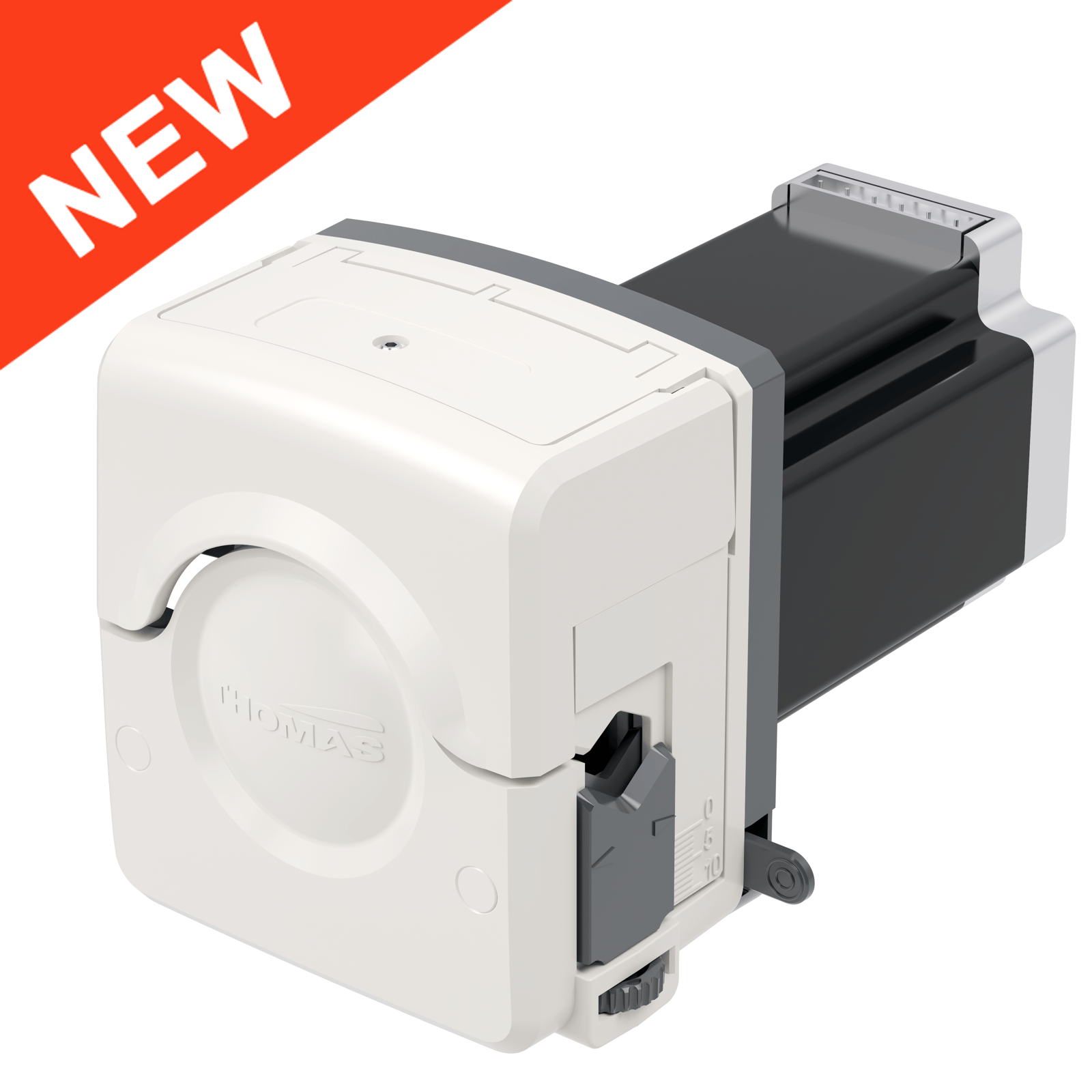
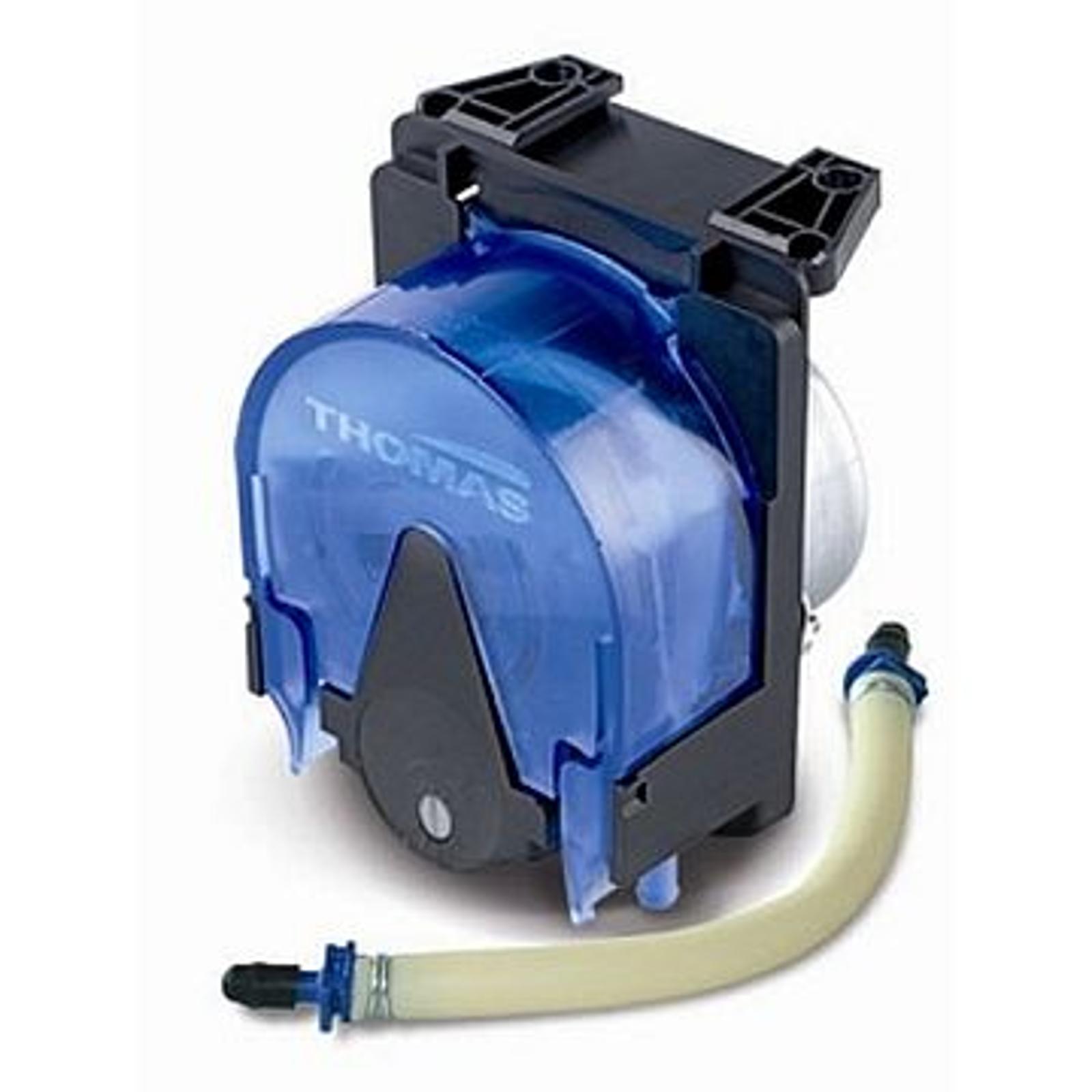
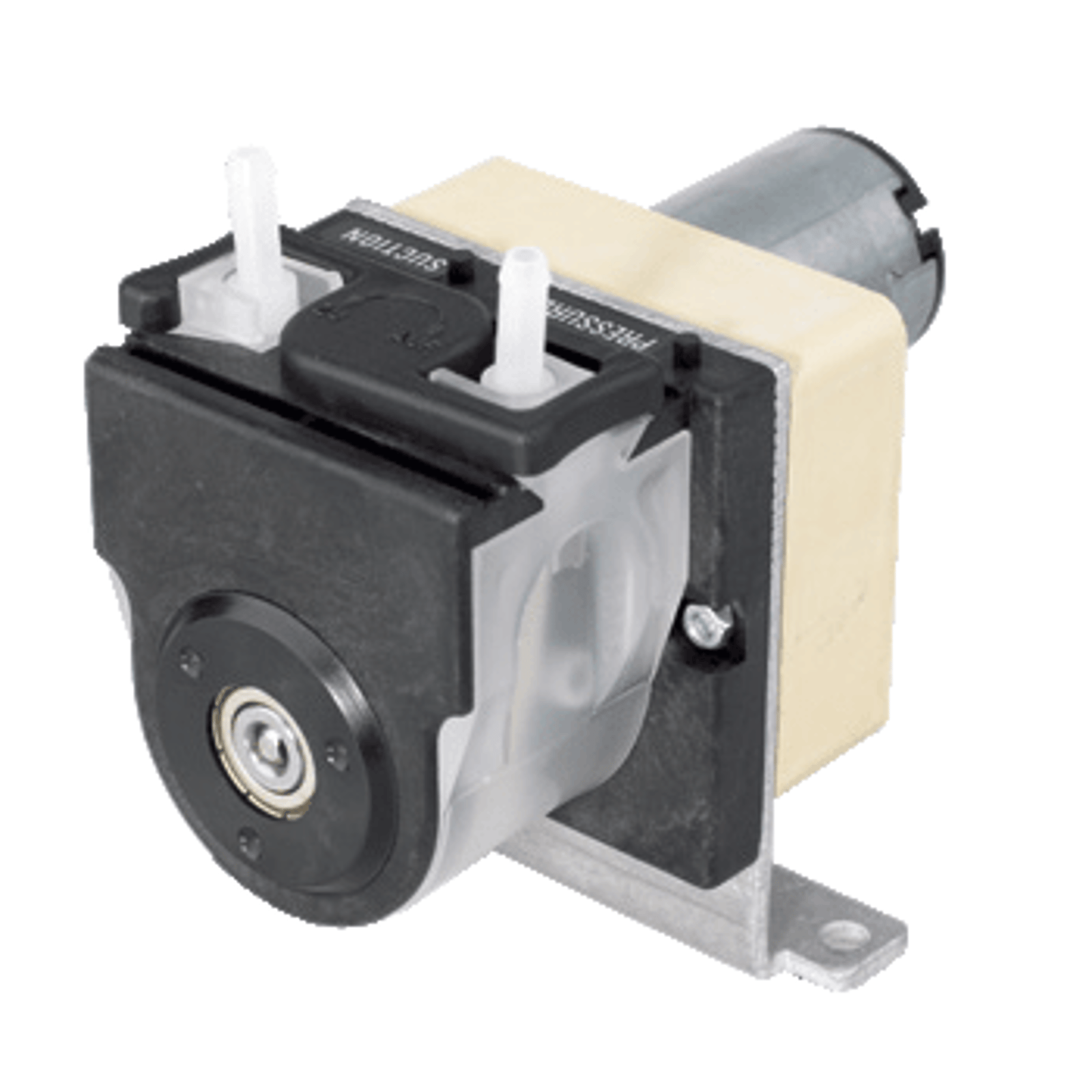
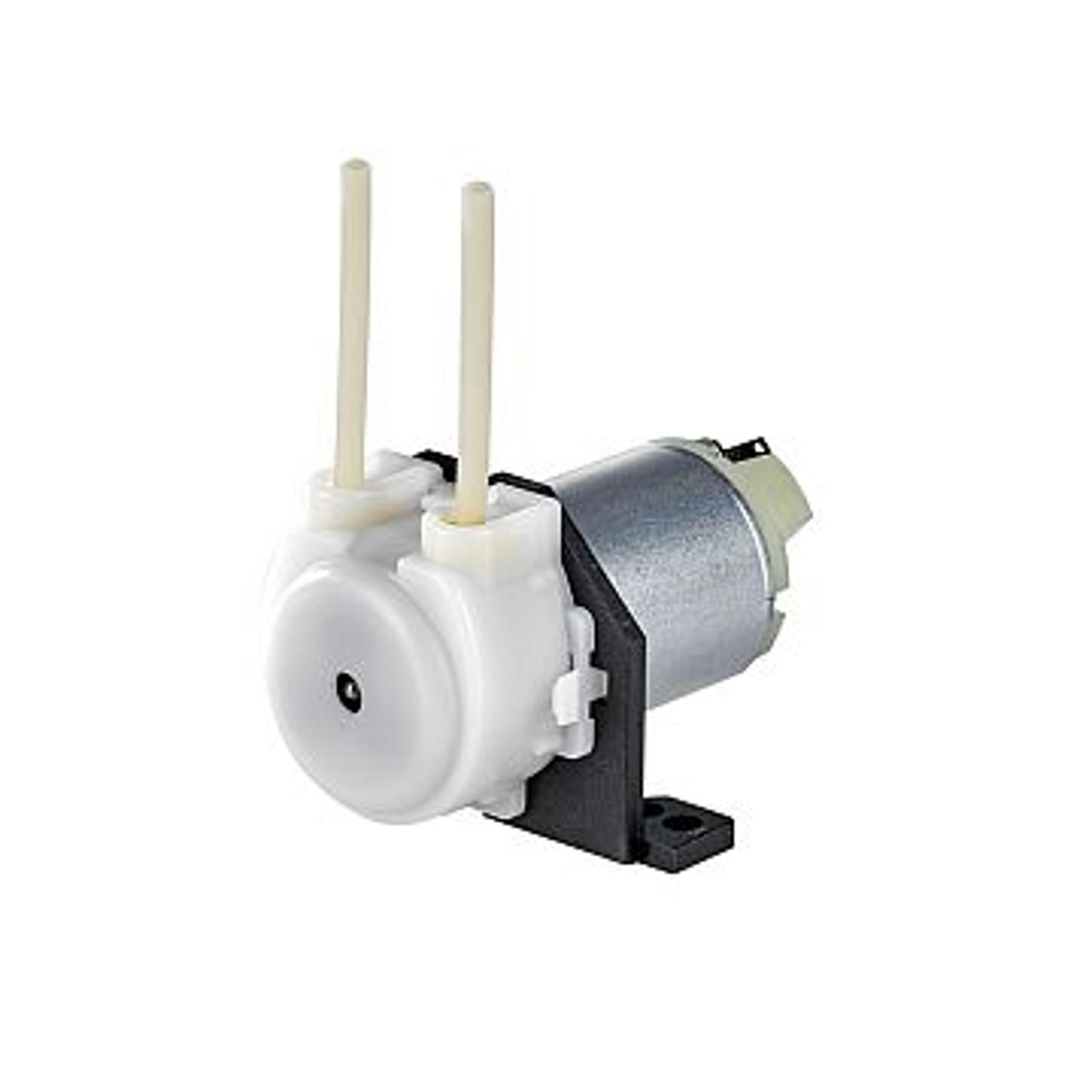
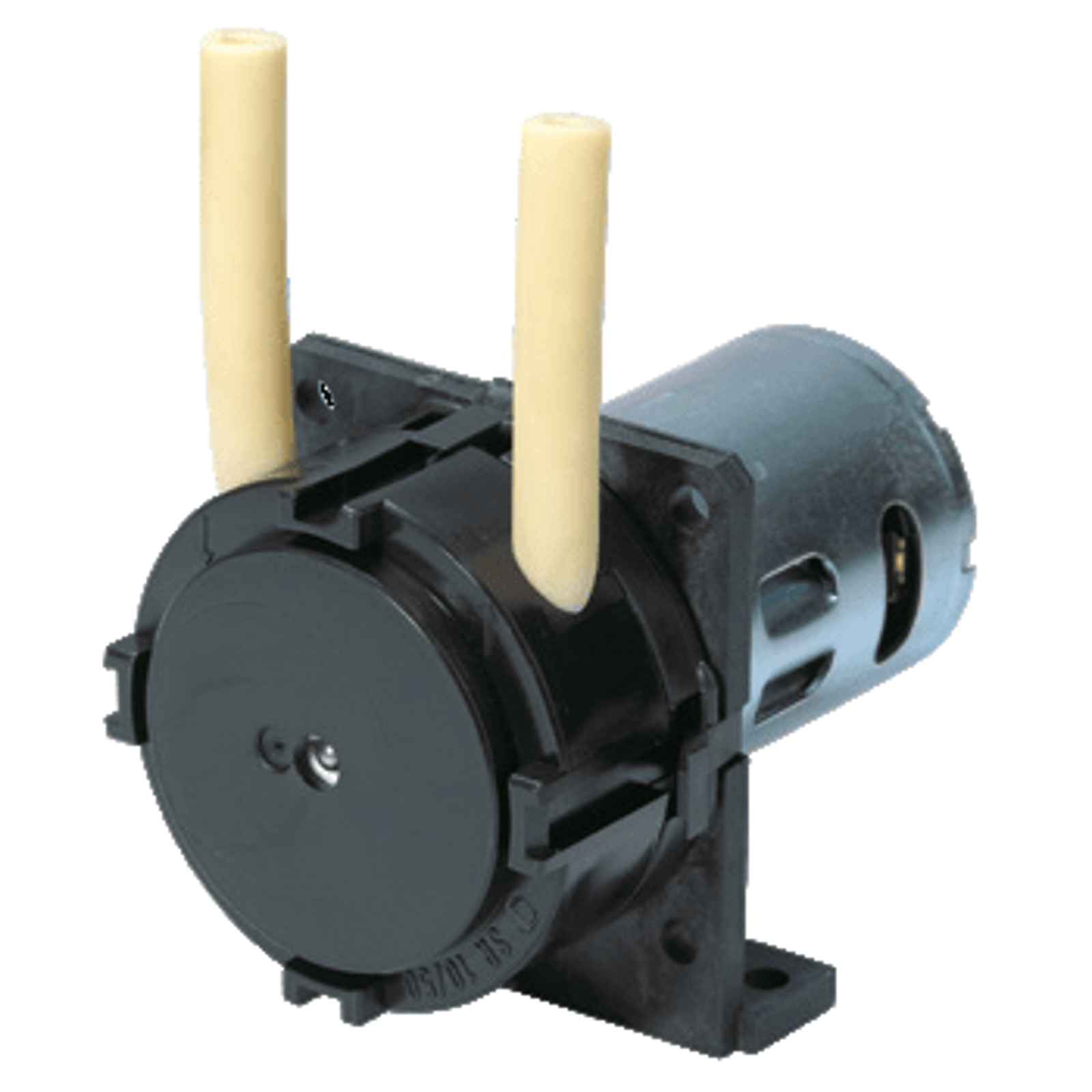
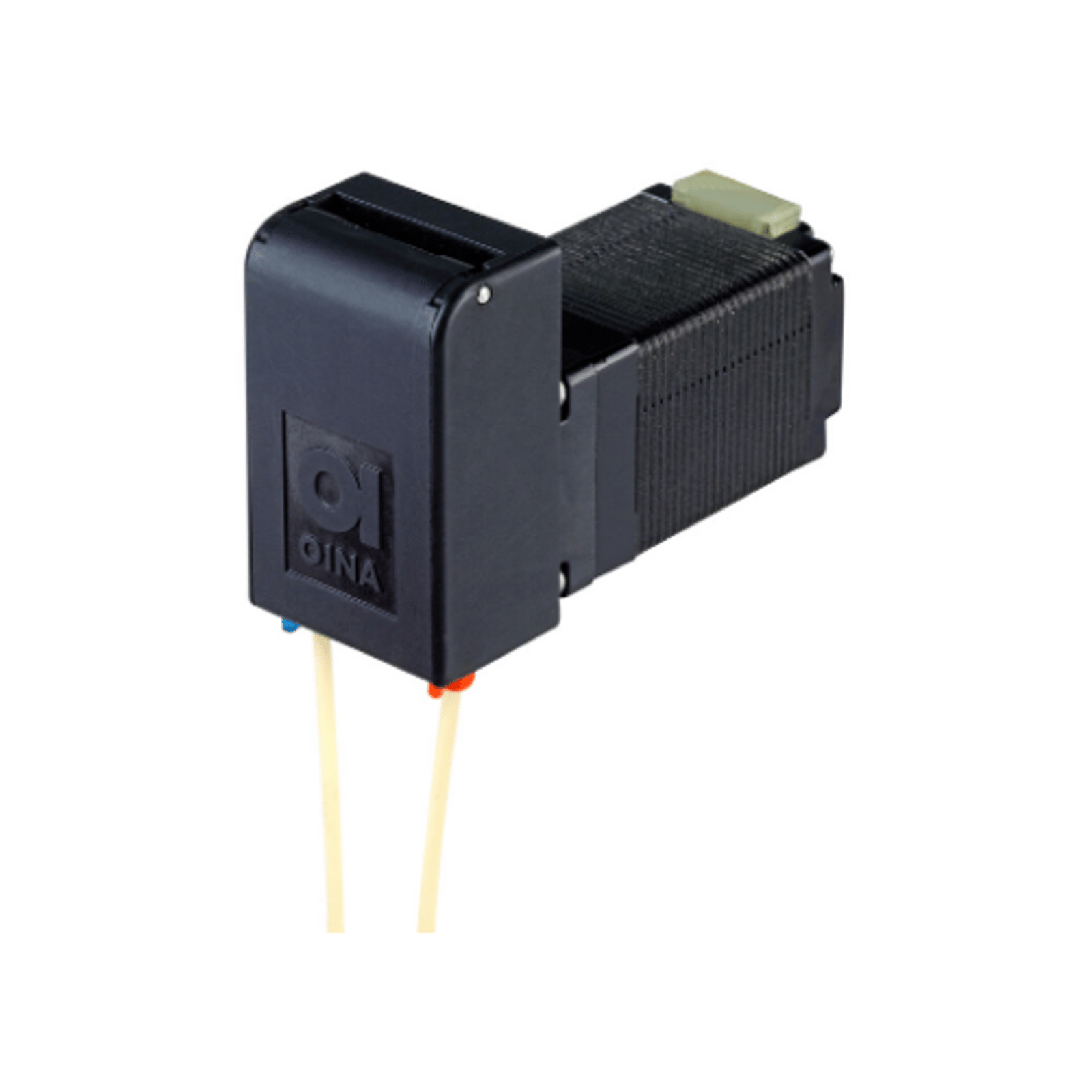
Thomas peristaltic pumps are designed with precision engineering to ensure optimal efficiency, accuracy, and contamination-free fluid transport across various industries. Thomas specializes in OEM peristaltic pump manufacturing, tailoring products to meet the specific needs of sectors ranging from Bioprocessing to Medical Devices. A variety of tubes are available to suit your requirements, guaranteeing contamination-free fluid transport, optimal efficiency and accuracy. Discover the range: 

Thomas Available Flow Rates and Pressures  

  • Self-priming, dry-running capabilities for uninterrupted operation.

  • Flow rates from 0.1 ml/min to 3000 ml/min for versatile applications.

  • Pressures up to 10 bar for handling demanding environments.

  • Low Pulsation and high reliability in precision and accuracy

  • Consistent flow even with viscous liquids or gas–liquid mixtures 
Thomas Medical & Industrial Peristaltic Pump Models and Series

Peristaltic Pump Manufacturers & OEM Expertise 

As a global OEM peristaltic pump manufacturer, Thomas designs and produces peristaltic pumps engineered for high accuracy, long lifetime and consistent performance across medical, bioprocessing, industrial and environmental applications.  

Choosing a Reliable Peristaltic Pump Supplier 

Peristaltic pumps excel in their gentle handling of shear-sensitive substances, ensuring contamination-free fluid transport, versatile flow regulation, and resilience to particle contamination. 

  • Gentle Fluid Handling: Preserving substance integrity, essential for sterile medical processes. 

  • Hygienic Transport: Eliminating contamination for critical procedures like dialysis. 

  • Adaptable Flow Control: Offering precision in dosing, perfect for chemical additives. 

  • Particle-Resistant: Ensuring fluid quality, even with particulate matter. 

  • Robust Dry Running: Reliable operation across various conditions, including gas analysis. 

  • High precision and accuracy: Required for several applications within medical devices and bioprocessing products

  • Consistant Flow: Whether transferring various viscous liquids or even gases, peristaltic pumps maintain a consistent flow rate, making them an ideal solution for mixed-media transfer.

Where Are Peristaltic Pumps Used?

Peristaltic pumps have transcended traditional boundaries to become a cornerstone of precision fluid handling across a maturity of industries. Peristaltic pumps from Thomas serve an array of industries with their adaptability and hygienic advantages: 

  • Medical and Laboratory: Safeguarding sterile fluid delivery, controlling dialysis flow, handling and enhancing equipment sanitation in medical settings. 

  • Industrial: Efficiently managing condensate removal and precise dosing of cleaning agents. 

  • Food and Agriculture: Ensuring precise dispensing of ingredients, chemicals, and aiding agricultural nutrient management. 

  • Environmental and Analysis: Contributing to wastewater treatment efficiency and accurate gas analysis condensate removal in environmental monitoring. 

  • Bioprocessing: Enable cross-contamination free supply of nutrients with high reliability and accuracy

OEM‑Ready and Customizable Pump Solutions

Thomas peristaltic pumps are designed with key considerations to provide a comprehensive fluid management solution: 

  • Pulsation Reduction: Spring-loaded mechanisms for smooth fluid delivery. This feature proves particularly crucial when handling delicate fluids like living cells.  

  • Adaptable Pump Performance: Customizable for different tube sizes and flow requirements ensuring seamless performance across diverse applications.

  • Adjustable Occlusion: Fine-tuning for various pressures and fluid characteristics to match varying pressure levels within fluidic systems. 

  • User-Friendly Design: Easy maintenance is assured as the tubing or pump head can be replaced quickly and with ease. The design, without internal valves, enables bidirectional transfer capabilities ideal for liquid handling applications.

  • Multi-Channel Efficiency: Simultaneous fluid transfer with a single motor driving a pump head featuring up to 15 separate tubes, diverse media can be simultaneously transferred or distributed across multiple vessels.  

  • Roller Count Impact: Balancing flow rate and pulsation for optimal transfer. Pumps with two or three rollers can achieve higher flow rates but may experience more pulsation, while pumps with more rollers provide a smoother transfer with less pulsation. 

  • Cross-Contamination Prevention: Peristaltic pumps excel in this regard, as only the tubes come into contact with the medium. Swift and simple tube replacement after each cycle ensures a clean and sterile process.  

In your pursuit of excellence, these factors guide your exploration of peristaltic pumps. Thomas' engineered solutions ensure a tailored solution that aligns perfectly with your specific operational needs.  

How to Choose the Right Peristaltic Pump

Choosing the right peristaltic pump starts by understanding the requirements of your fluid handling process. Factors such as flow precision, chemical compatibility, cleanliness, and expected duty cycle influence which pump configuration will deliver reliable, long-term performance.  

Key Selection Criteria: Flow, Pressure, Media, and Duty Cycle 

To select the correct pump, evaluate four essential parameters: 

  • Flow Rate: Define the minimum and maximum flow your process requires, from microdosing to high-volume transfer.
  • Pressure Capability: Ensure the pump can handle system back pressure, especially in filtration, dosing or multistage setups.
  • Media Characteristics: Consider viscosity, particulates, and chemical aggressiveness to choose compatible tubing and roller configuration.
  • Duty Cycle: Determine whether the pump will run intermittently or continuously, which impacts motor type, tubing durability, and overall lifetime.
These criteria help ensure consistent performance and long-term reliability in your environment and setting. 

Matching Pump Performance to Your Application 

Aligning pump performance with your application means balancing precision, speed, and compatibility. For example, medical and bioprocessing workflows benefit from low pulsation, gentle pumping to protect sensitive media, while industrial dosing systems may require high pressure, abrasion resistant tubing and long life motors. Selecting the right tubing material, motor technology and roller count ensures the pump performs reliably under your specific operating conditions. 


Talk to an Engineer 

To ensure the ideal configuration for your system, a Thomas engineer can help you evaluate flow needs, chemical compatibility, tubing options and OEM customization possibilities. 

How Do Liquid Peristaltic Pumps Work?

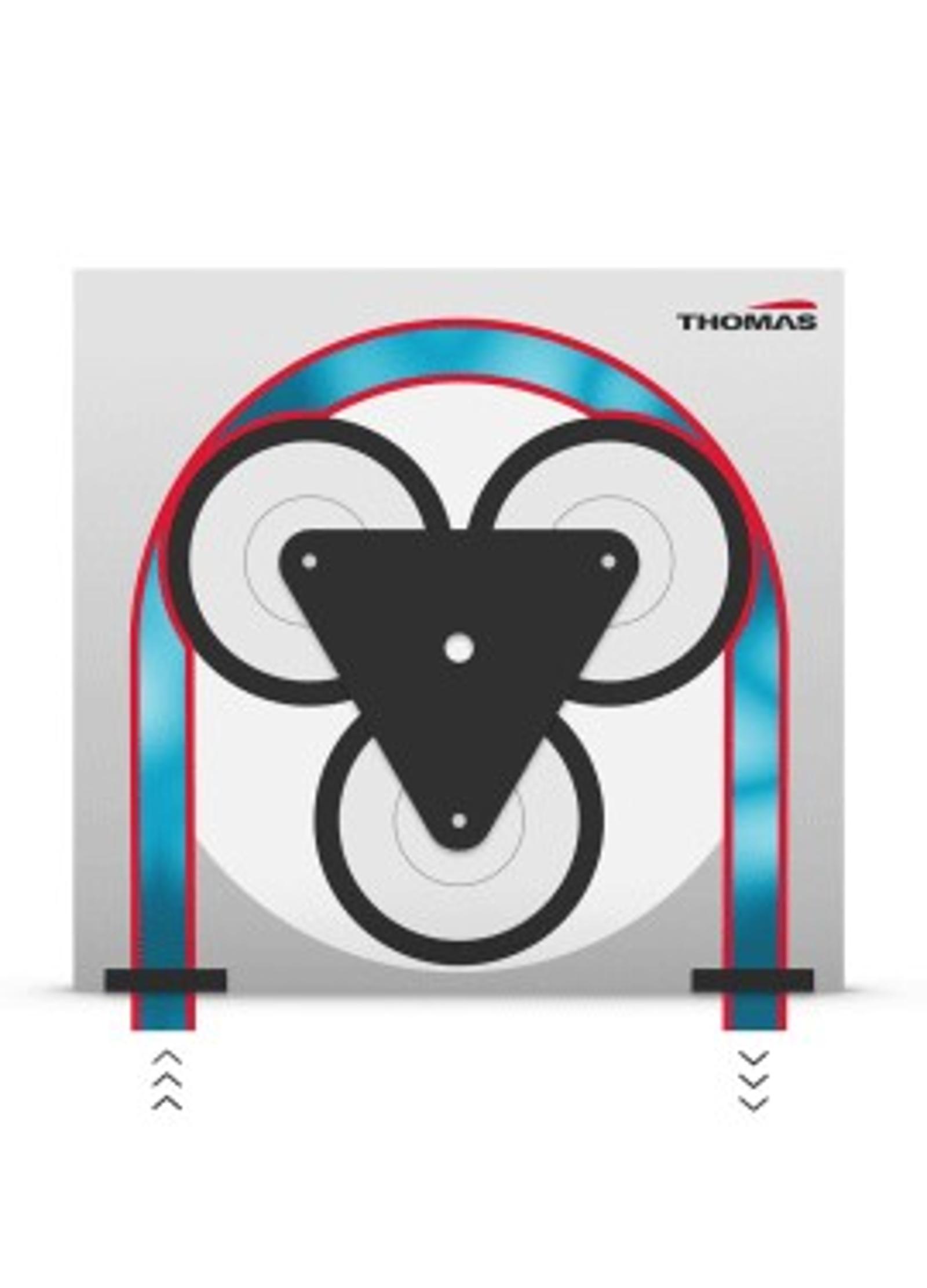
Peristaltic pumps operate through a unique mechanism inspired by peristalsis, the rhythmic muscle contractions seen in biological systems. These pumps consist of a flexible tube encased within a circular housing. This principle enables media transfer without valves. Peristaltic hose pumps rely on diverse motor types to orchestrate their fluid transportation capabilities: 

  • Brushed Direct Current (DC) Motors: Simple, cost-effective for moderate use. Their lifespan may limit their usage in prolonged or intensive operations.  

  • Brushless Direct Current (BLDC) Motors: Efficient, durable, and ideal for precise fluid control. Extended operational lifespan compared to their brushed counterparts. 

  • Alternating Current (AC) Motors: Long-lasting, suitable for continuous operation. They find application in scenarios necessitating continuous and extended operation.  

  • Stepper Motors: Accurate speed regulation for variable flow rates. They offer enhanced control and can be fine-tuned using external controller boards. 

 Thomas_Peristaltic_Liquid

Peristaltic Pump Tubing Selection Guide

How Do I Choose Peristaltic Pump Tubing?  

Selecting the right tubing is essential for the best performance of your peristaltic pump. Thomas offers options to suit every need: 

  • Silicone Tubing: Ideal for non-aggressive media. It remains elastic over a wide temperature range and is suitable for a range of fluids.  

  • TPE Tubing: Durable and suitable for various applications. Combines the processability of Polypropylene with the elastomeric properties of EPDM. Common tubing materials include PharMed® BPT or Santoprene™.  

  • Fluoroelastomeric Tubing: Resistant to chemical corrosion. Materials like Viton® are employed for these applications.  

Choose tubing based on lifetime, flow rate, accuracy, and fluid characteristics. Specialized materials like Versalloy™ are available to reduce spallation, ensuring fluid purity for sensitive applications. 

For expert guidance and to ensure your system's peak performance, contact Thomas' specialists for personalized support. 

Frequently Asked Questions About Peristaltic Pumps

Peristaltic pumps offer contamination free fluid transfer because only the tubing comes into contact with the media. They are self priming, capable of running dry, and provide gentle, low shear handling suitable for sensitive or sterile fluids. They deliver accurate, consistent flow regulation, tolerate particles and viscous media, and require minimal maintenance thanks to quick tubing replacement and valveless design.