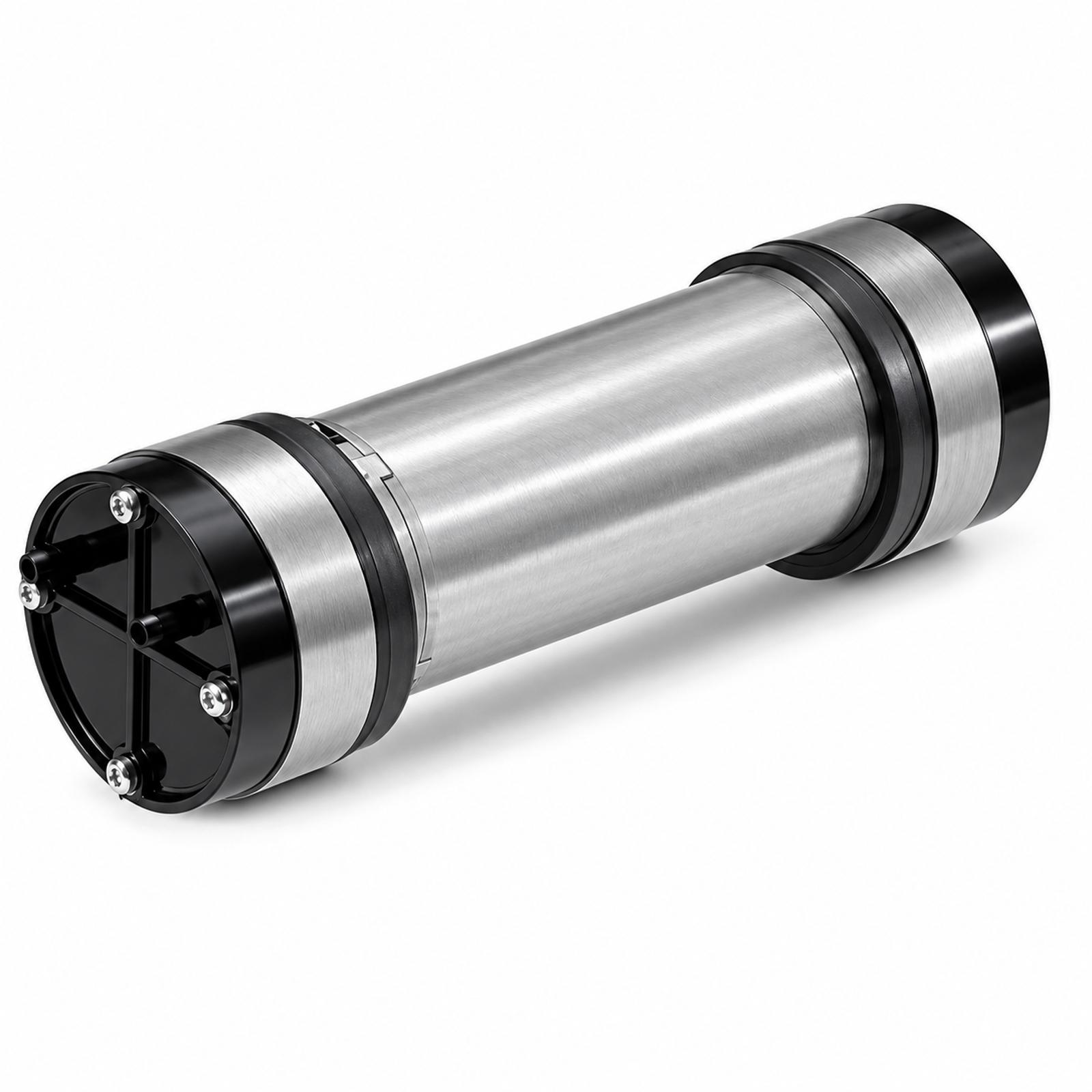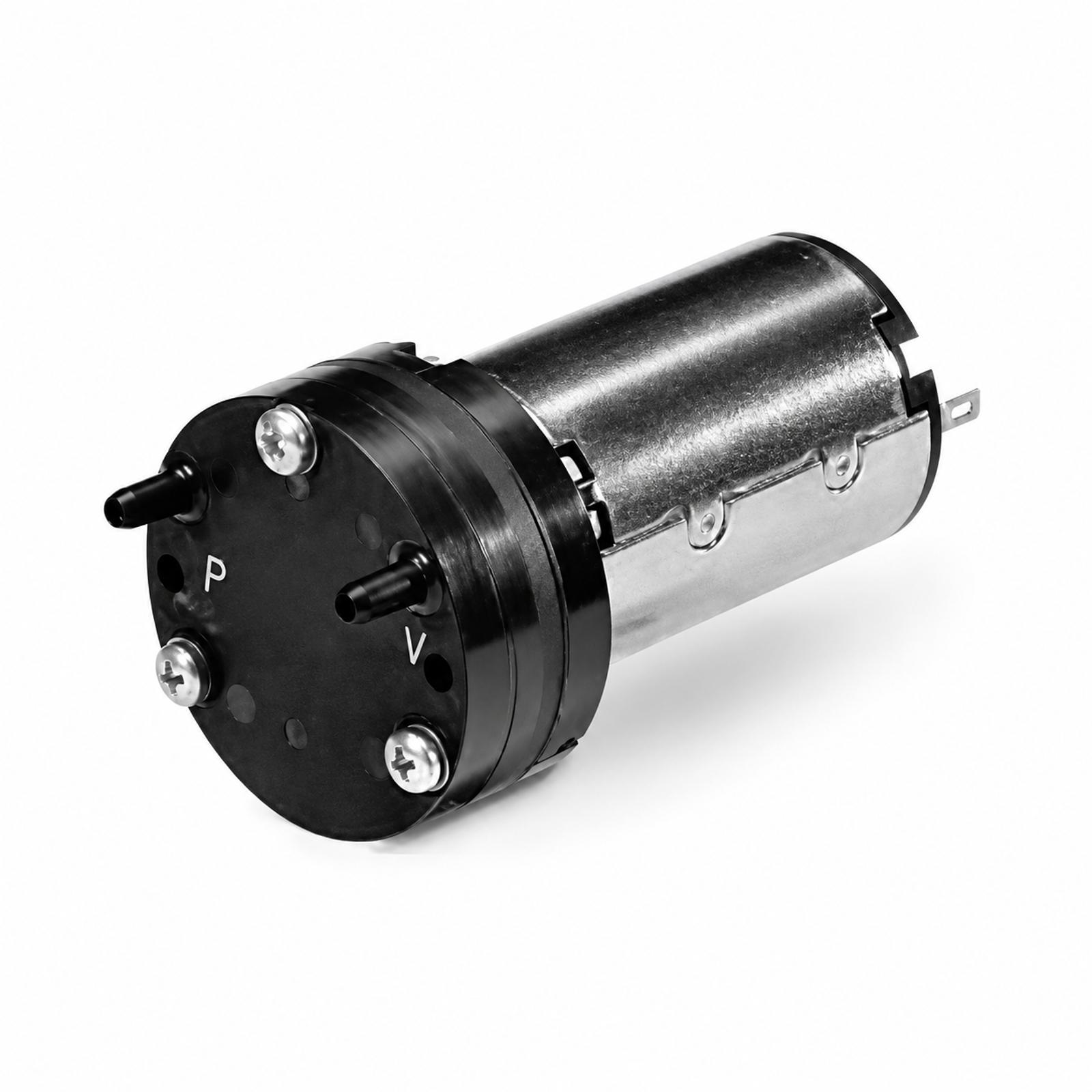







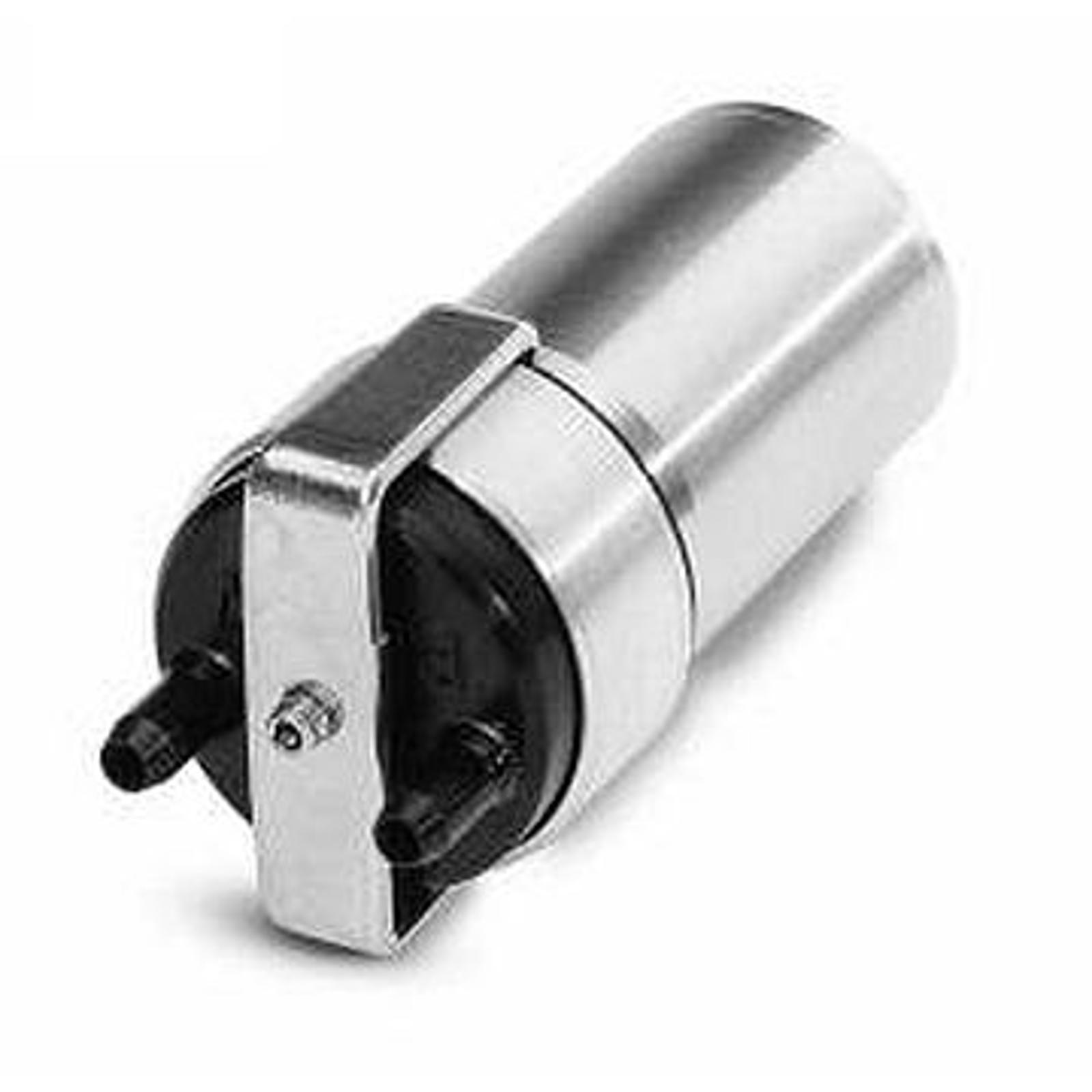
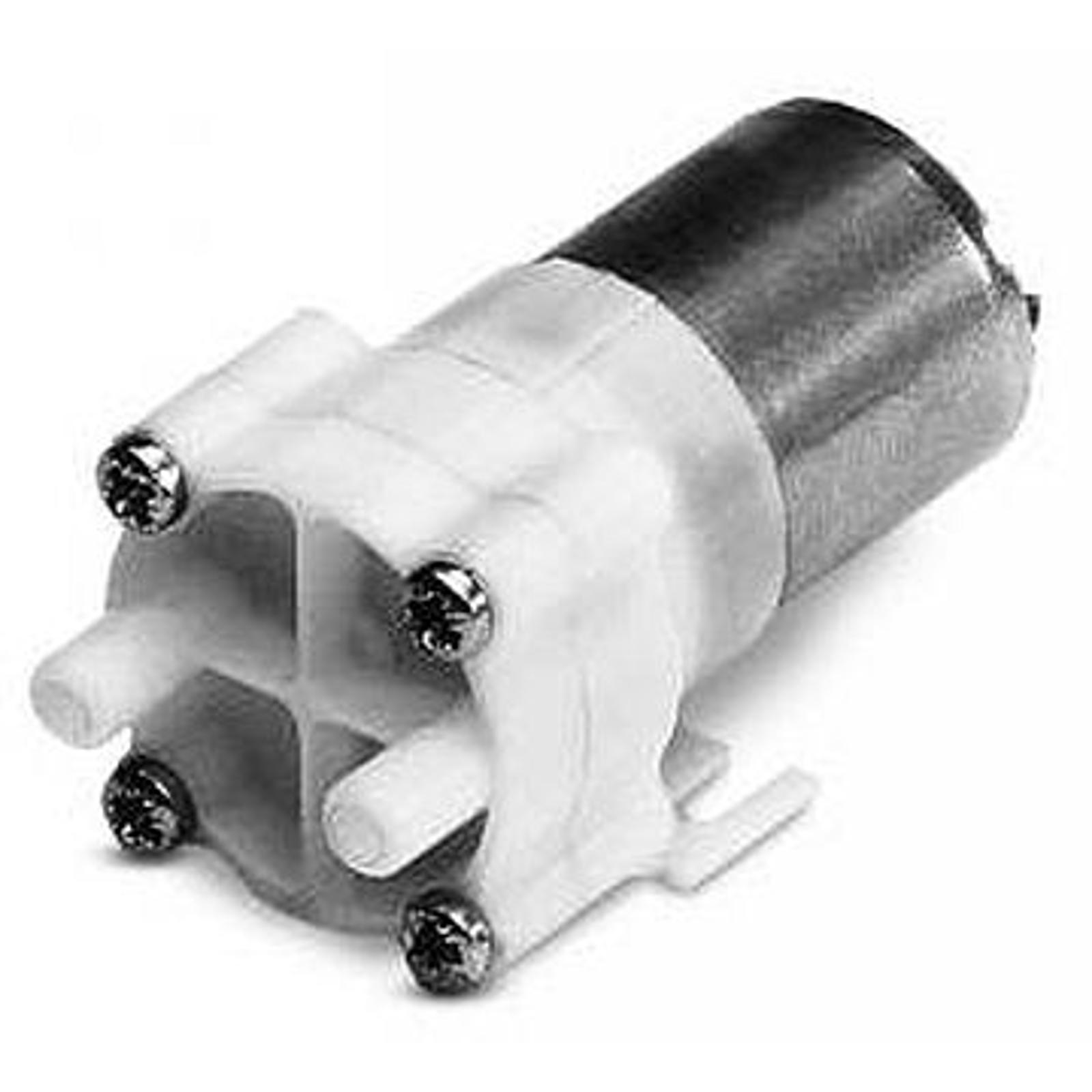
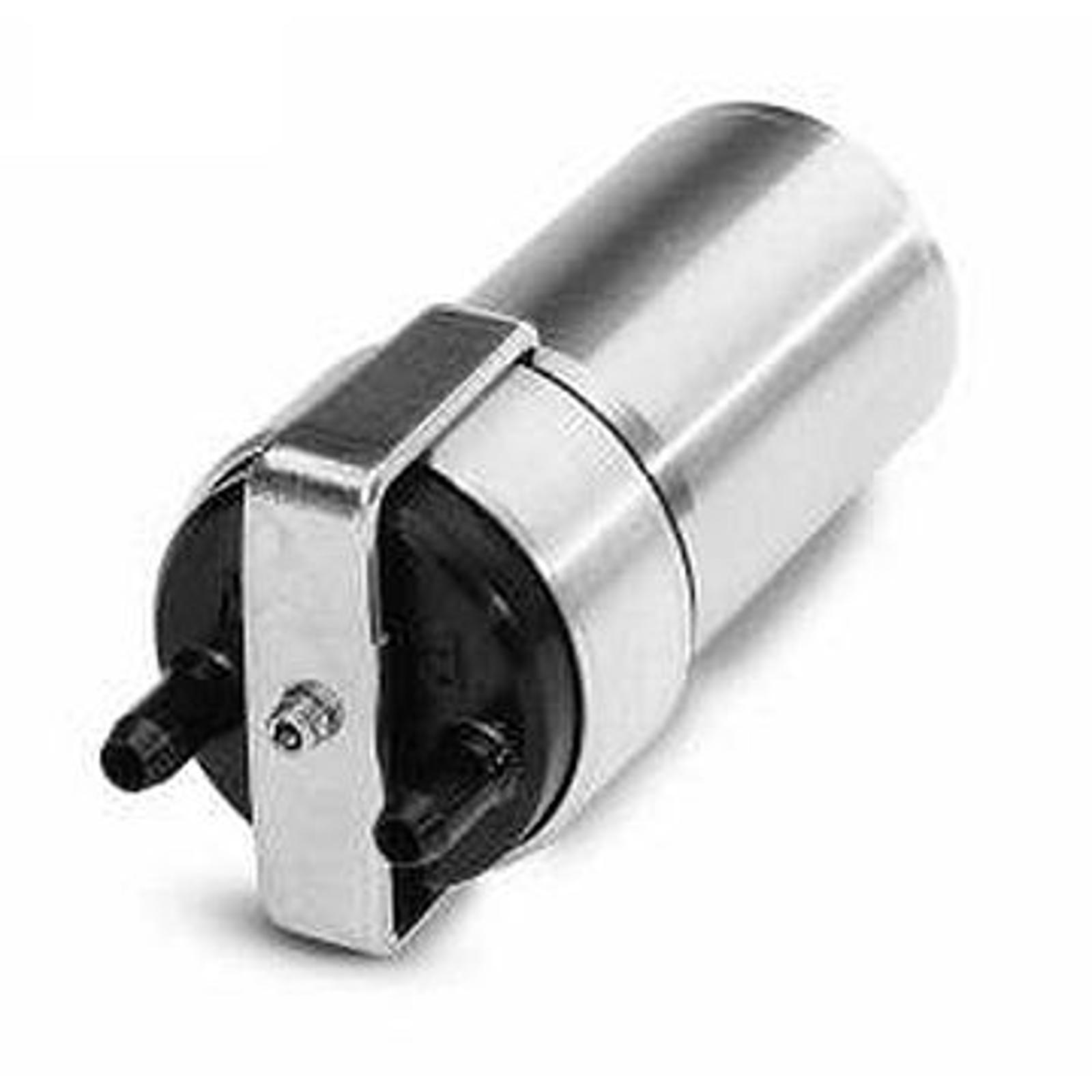
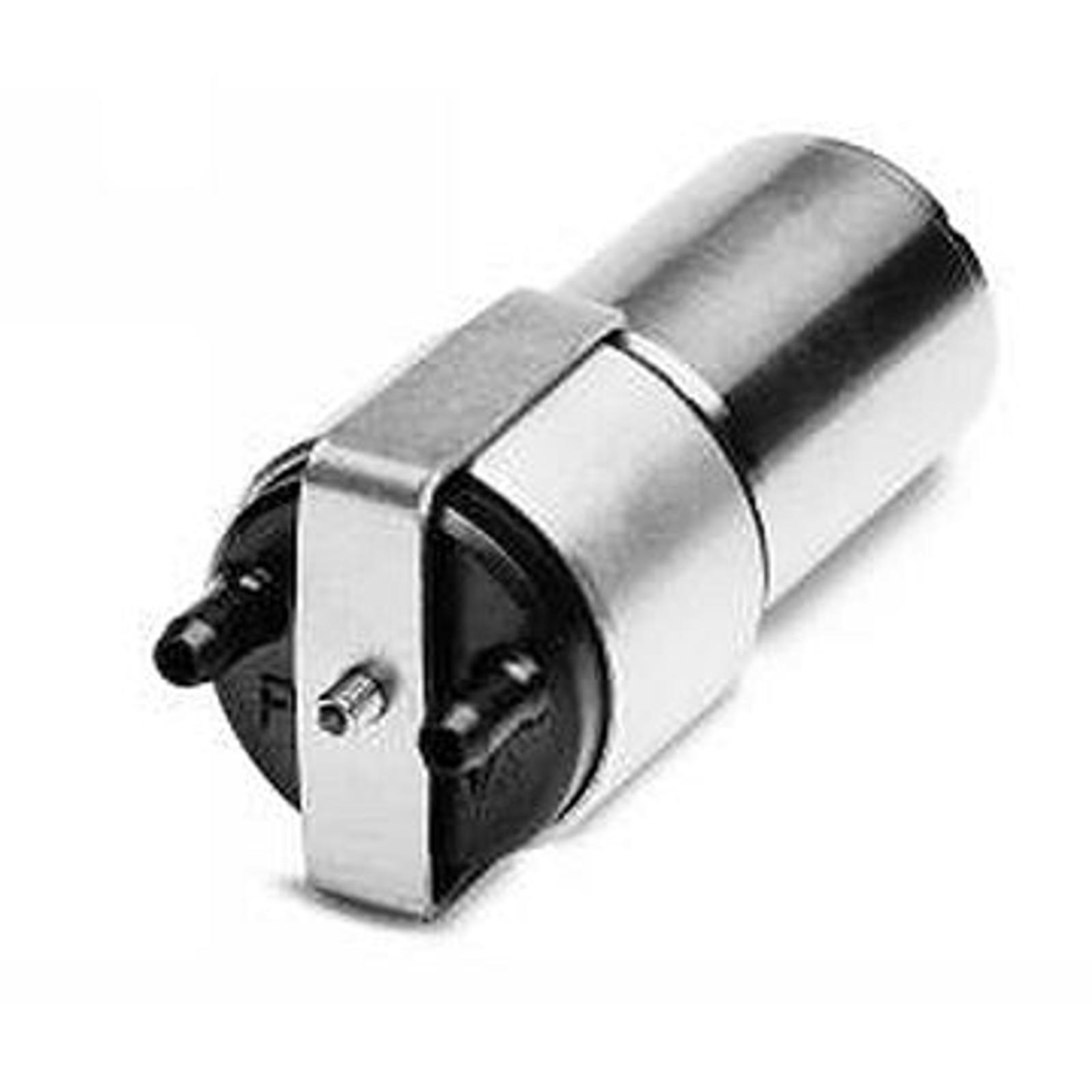
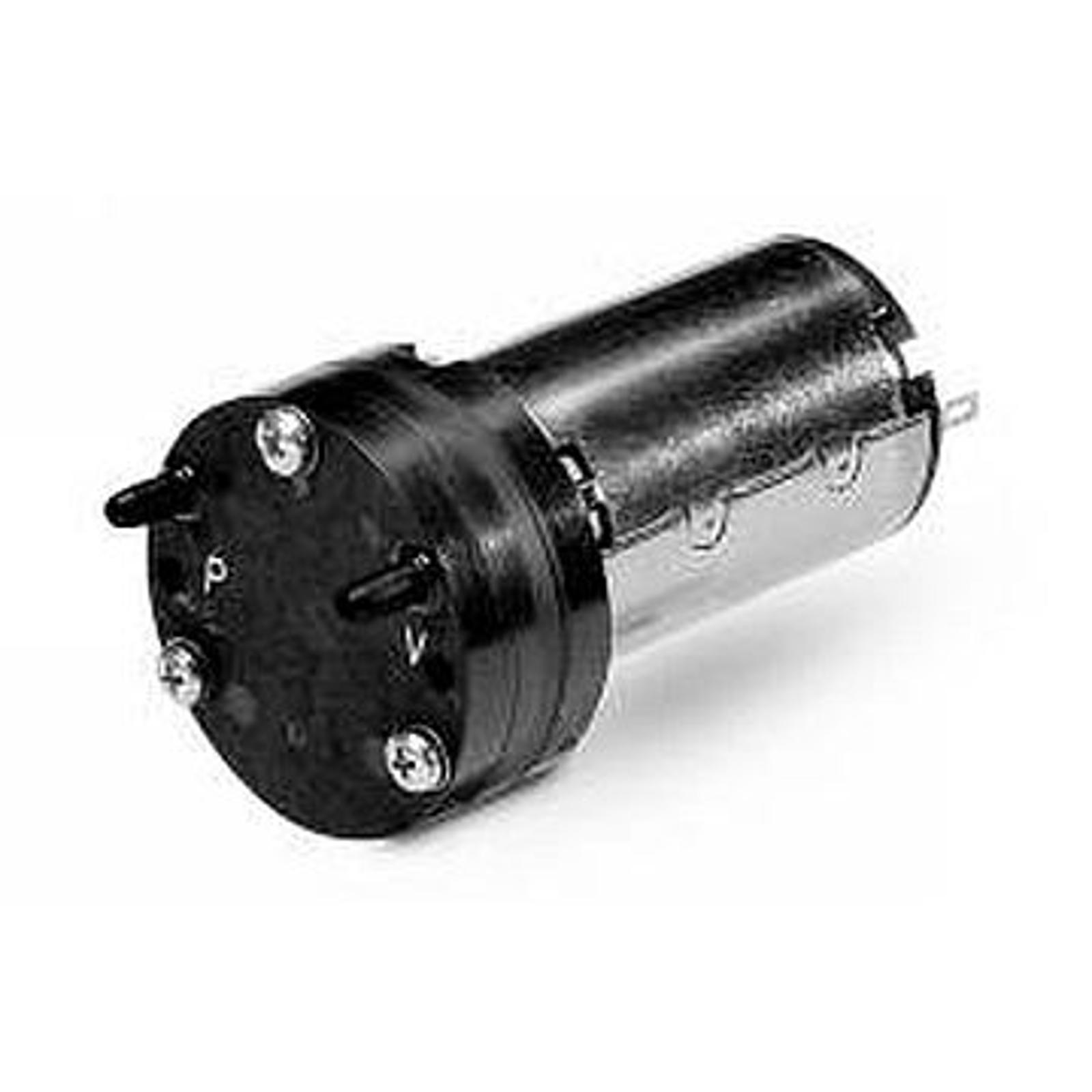
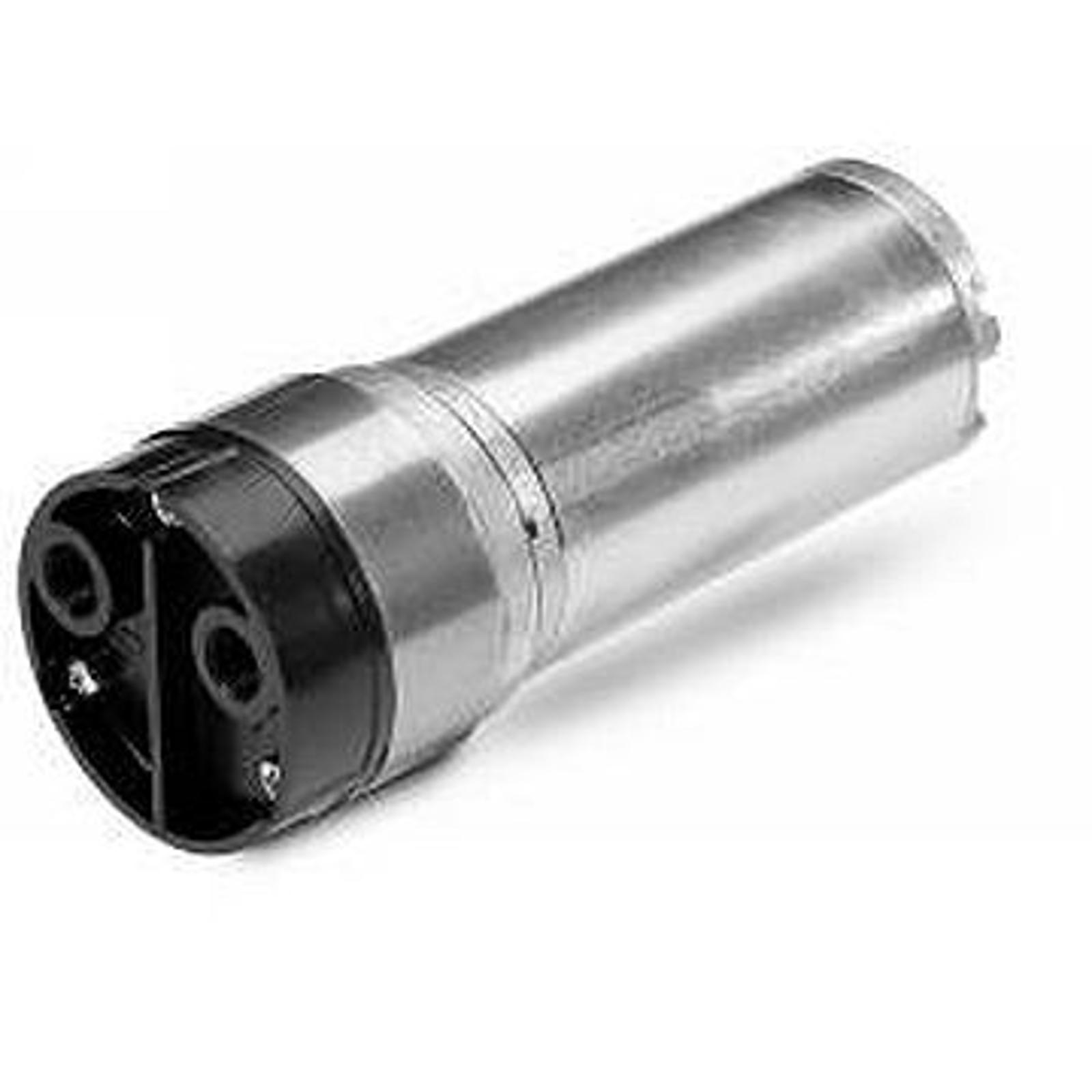
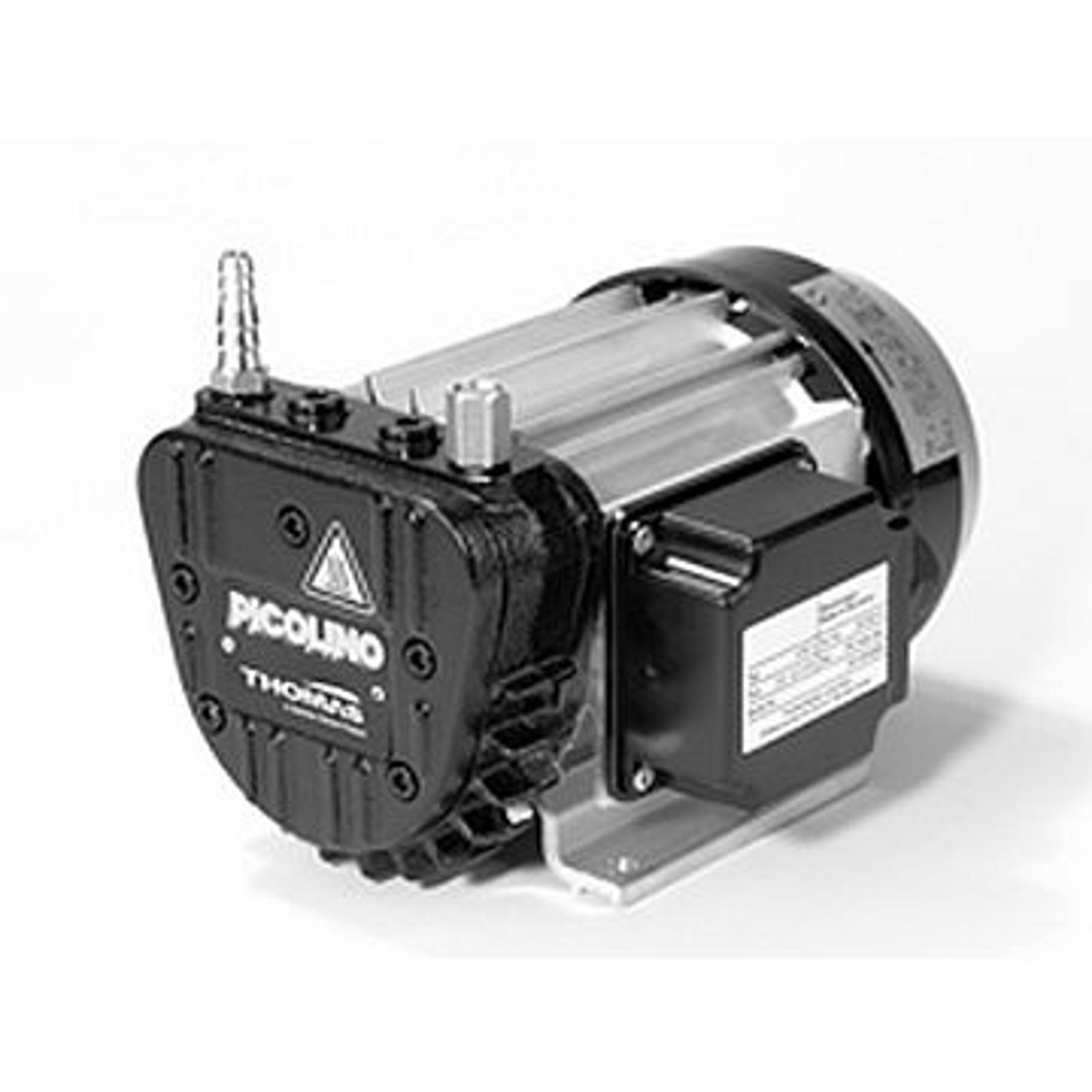
What Is a Rotary Vane Pump?
Rotary vane pump is a positive-displacement device that uses a rotor mounted eccentrically inside a housing. As the rotor turns, sliding vanes move in and out of their slots to form expanding and contracting chambers. The expanding chambers draw in air or gas, while the contracting chambers compress and discharge it. This same operating principle allows rotary vane pumps to create vacuum and rotary vane compressors to deliver pressure. In an oil-less design, self-lubricating vanes support clean operation without routine oil changes. The result is smooth, consistent airflow with low pulsation in a compact package. In vacuum service, the pump removes air from a system; in compressor service, it raises air pressure for use as an Air Compressor. These vane pumps and rotary vane compressors are valued for reliable operation, efficient air handling, and long service life.
Because of these advantages, rotary vane pumps and compressors are commonly selected for applications that require stable, continuous performance. The main difference between a rotary vane pump and a compressor is the intended output: a rotary vane pump is typically used for Rotary Vane Vacuum by removing air or gas from a system, while rotary vane compressors draw in air and discharge it at a higher pressure. Both use the same positive-displacement vane design, so one technology can support vacuum pumps, pressure systems, or equipment requiring both vacuum and compression.