Products
Gas Pumps
Liquid Pumps
Industries & Applications
Bio pharmaceutical
Clinical Diagnostics
Medical Devices
Respiratory
Food & Beverage
Printing
Transportation
Knowledge Hub
Technology
White Papers
Webinars
Pumps Maintenance
About Us
News and Events
History
Values
Worldwide Locations
Distributors
Download Center
Careers

Bubbles, pulsation, and metering drift can compromise analyzer performance, especially when reagent properties vary and cycle counts reach into the millions. Choosing the right OEM pump helps maintain dispensing accuracy, chemical compatibility, and long-term reliability. This guide outlines key selection criteria and highlights Thomas and TriContinent solutions for clinical chemistry analyzers.

Precision OEM Pumps for Reagent and Sample Handling in Clinical Chemistry Analyzers

High-throughput clinical chemistry analyzers automate IVD testing by moving fluid through a repeatable sequence:

  • Sample aspiration
  • Reagents metering
  • Controlled dispensing (often in microliter volume)
  • Mixing
  • Waste removal

To keep each step accurate, the pump system must deliver controlled, stable flow that matches the analyzer’s fluidic design and maintains consistent delivery from cycle to cycle. This level of control supports precision, protects performance, and helps ensure reliable results in clinical laboratory operation.

Clinical chemistry analyzer pumps are designed to handle a wide range of buffers and chemical solutions while reducing common flow risks:

Lower pulsation

to support stable dispensing and dosing

Maintain accuracy

 even as fluid properties change

Reduce air entrainment (bubbles)

that can drive measurement variability

Step-by-step fluid handling supports reliable optical readouts, improves repeatability across diverse diagnostic applications, and helps lower reagent waste in the lab—key considerations for OEM equipment and instruments.

In clinical diagnostics, OEM pumps are the fluid-handling components supplied to original equipment manufacturers building IVD analyzers. But for chemistry analyzers, “good enough flow rate” isn’t the bar. You’re selecting for repeatability, chemical compatibility, and stable performance across the full workflow—sample aspiration, reagent metering, controlled dispensing, and waste removal. Think about a typical high-throughput lab: the instrument may run continuously, and small drift in dosing can quietly become big variability in results. That’s why THOMAS diagnostic pump designs are engineered to reduce pulsation, limit air entrainment, and maintain accurate metering even when reagents vary in viscosity or formulation.

Thomas & TriContinent Pumps & Compressors for Chemistry Analyzer

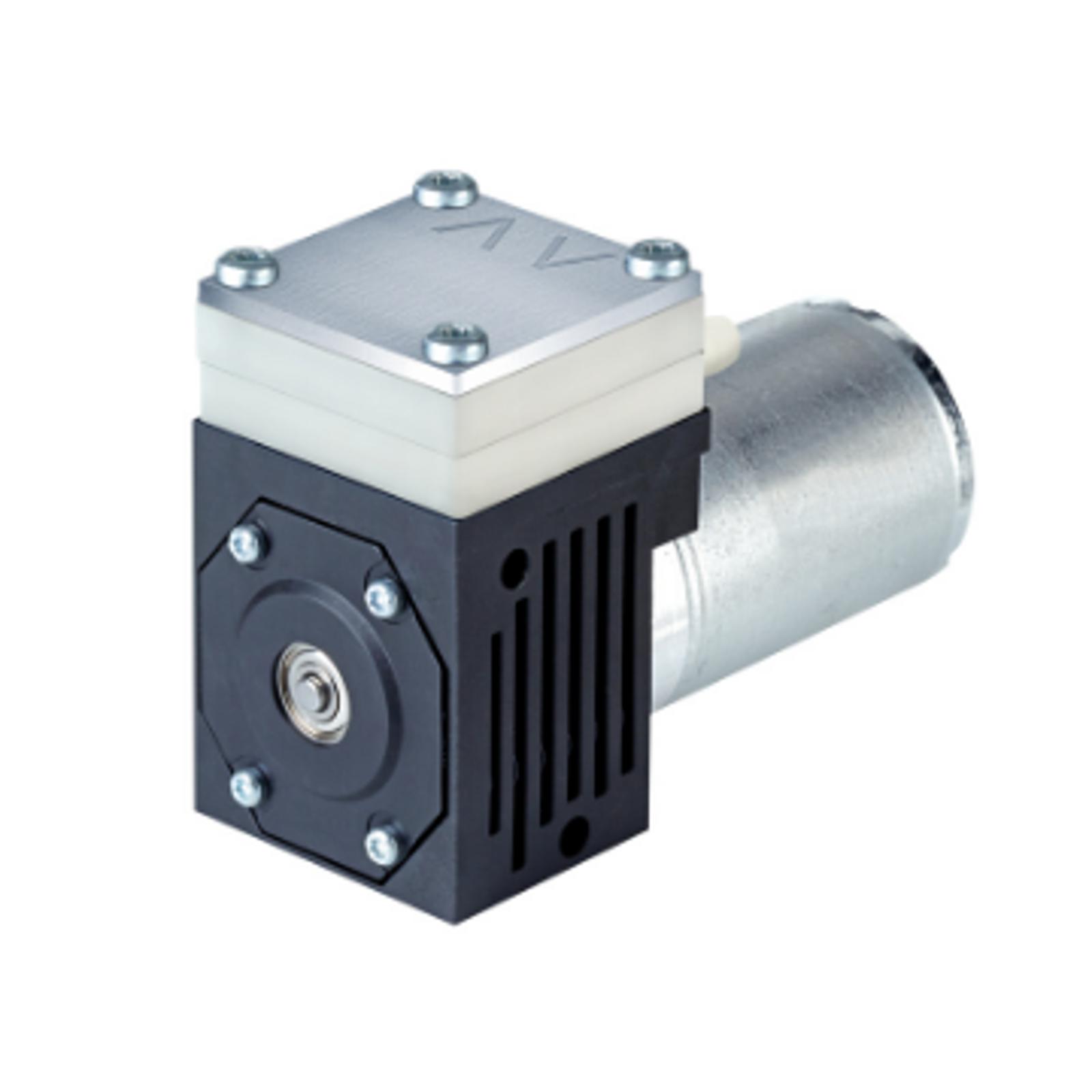
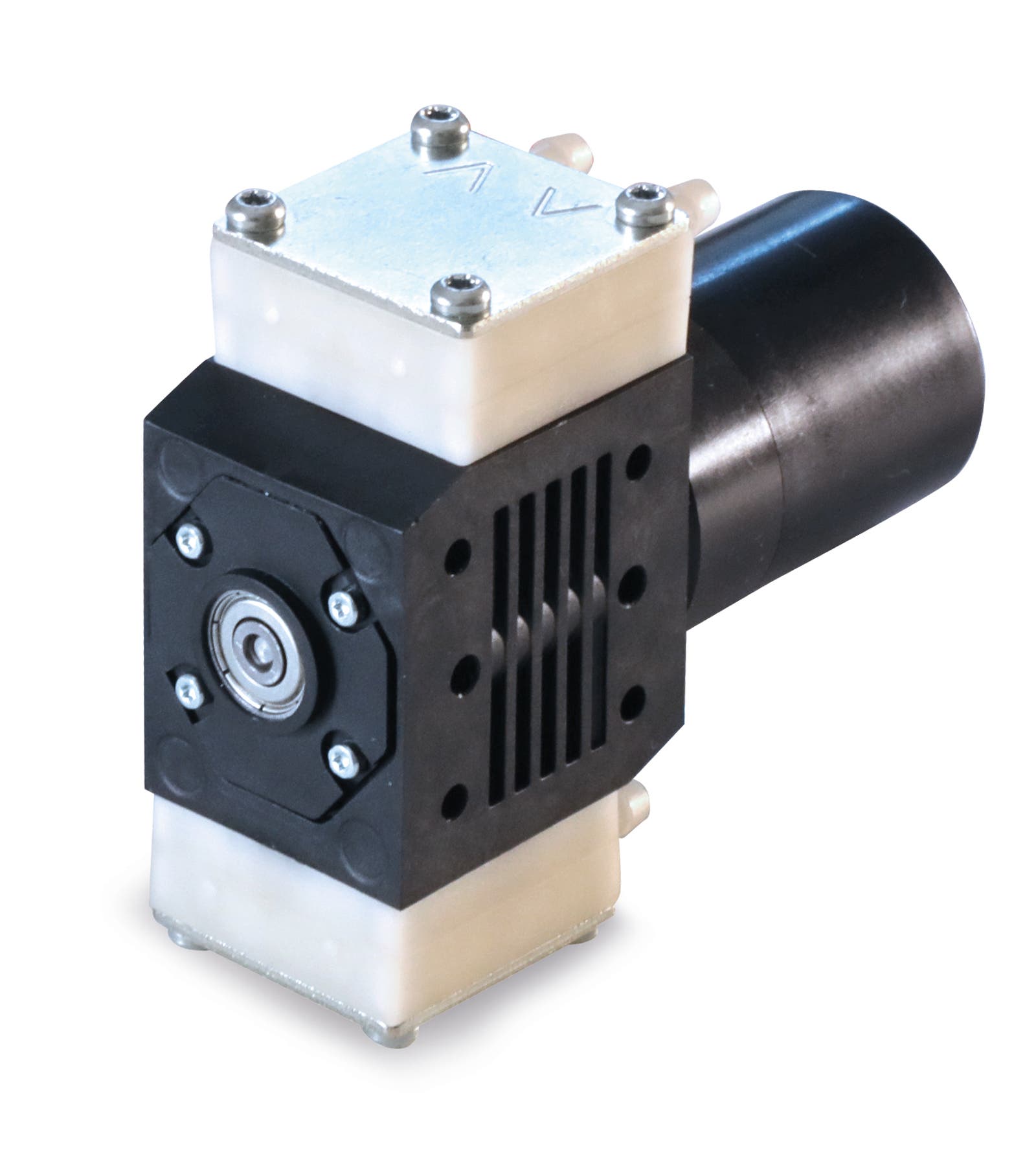
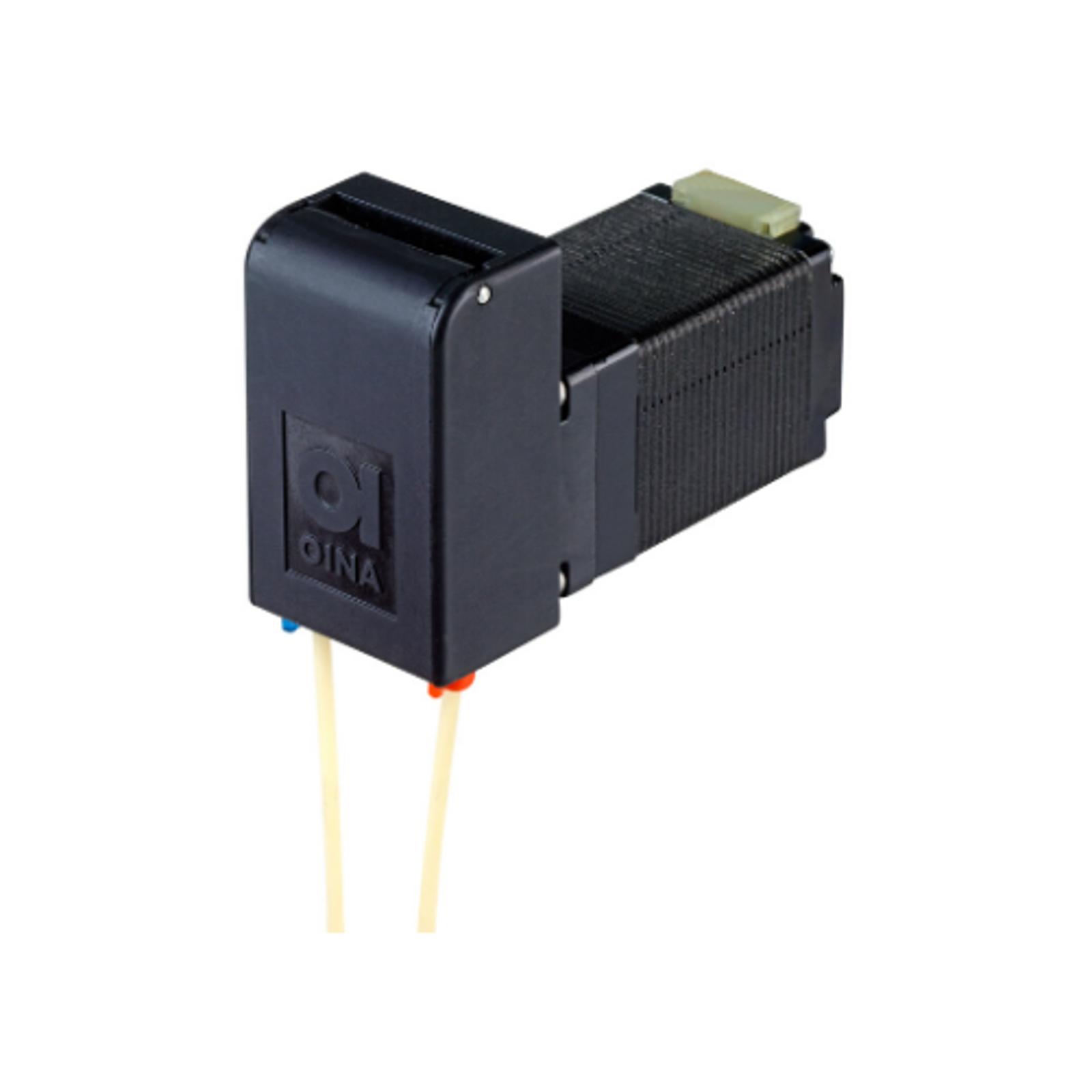
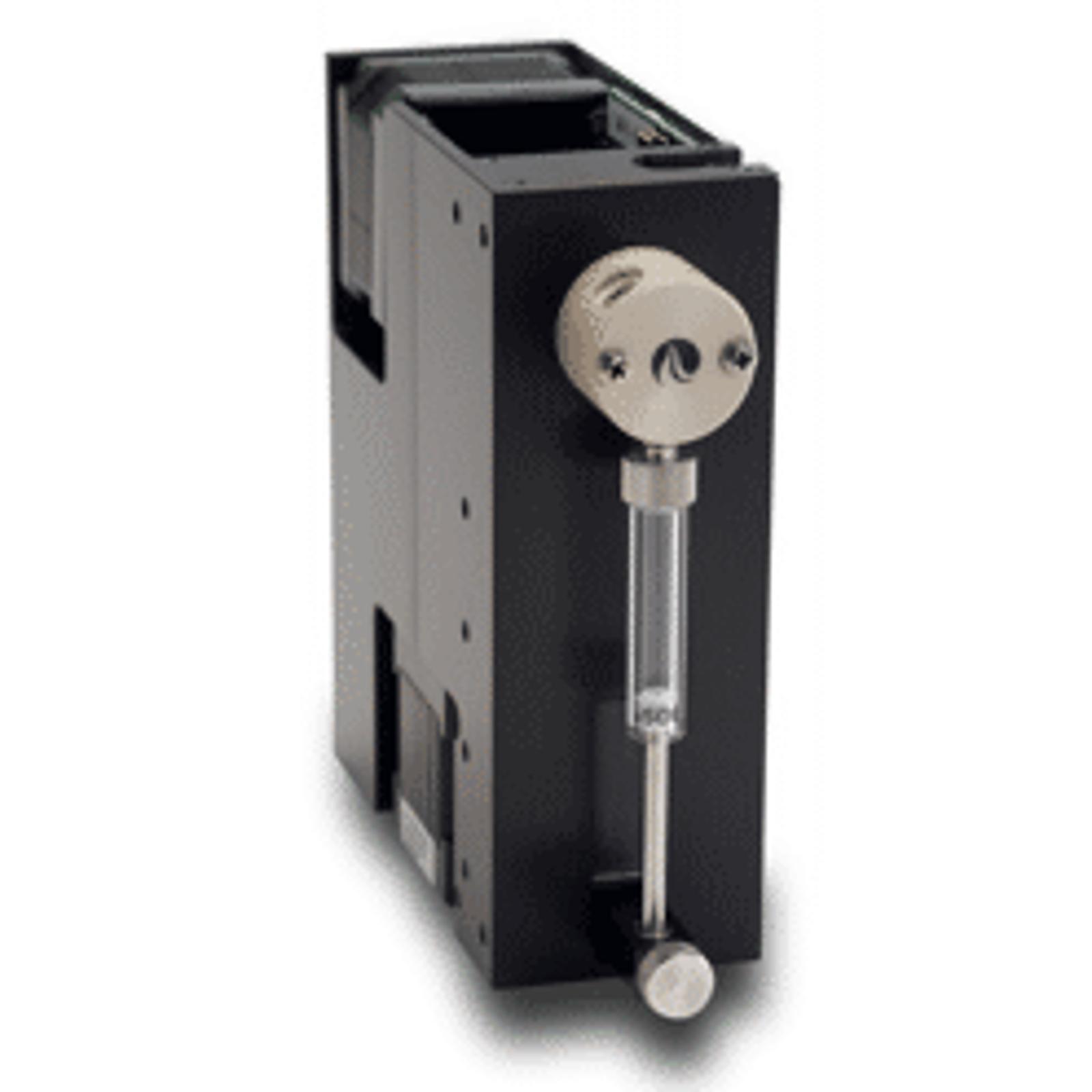
Talk with a Thomas Pumps OEM specialist to match the right diaphragm, peristaltic, or TriContinent syringe pump to your clinical chemistry analyzer’s flow/pressure targets and reagent compatibility—then request a quote for the 6313/6323, ETL200, or C Series platform for your next instrument build.

When you evaluate OEM options, it helps to start with two questions:

What will the pump touch, and how long does it need to stay accurate?

Engineering teams typically look for wetted materials and pump technology that can handle buffers, detergents, and reagents without corrosion or leaching—then they validate long-term reliability to reduce downtime and service cost. Thomas and TriContinent platforms are positioned as the OEM-ready solutions. They’re designed to meet the diagnostic performance expectations of clinical chemistry systems while supporting life-of-instrument operation—so you can specify a pump solution with fewer compromises.

The Engineering Challenge: Keeping Accuracy Stable Over Millions of Cycles.

One of the biggest challenges for pumps in clinical chemistry analyzers is maintaining precision and accuracy over millions of cycles—so diagnostic results stay consistent, and reagents waste remains low. A major part of that performance comes from selecting wetted materials that are truly compatible with the analyzer’s reagent chemistry.

In practice, OEM pump designs use:


Corrosion-resistant metals

Inert polymers and elastomers

as stainless steel and other chemically resistant alloys

selected for the specific buffers, detergents, and reagents used in IVD workflows


Equally important, the pump must provide smooth, pulsation-free flow to reduce splashing, air entrainment, and bubble formation during sample aspiration, reagent metering, and controlled microliter dispensing. Stable flow supports repeatable metering and helps protect measurement accuracy.

Finally, long-term reliability is essential for laboratory uptime. A well-matched pump design supports stable performance as reagent formulations and viscosities change, while also reducing unplanned service and maintaining performance within specification across the analyzer’s life-of-instrument.

Common Failure Modes in Clinical Chemistry Analyzer Pumps (and What They Look Like in the Lab)

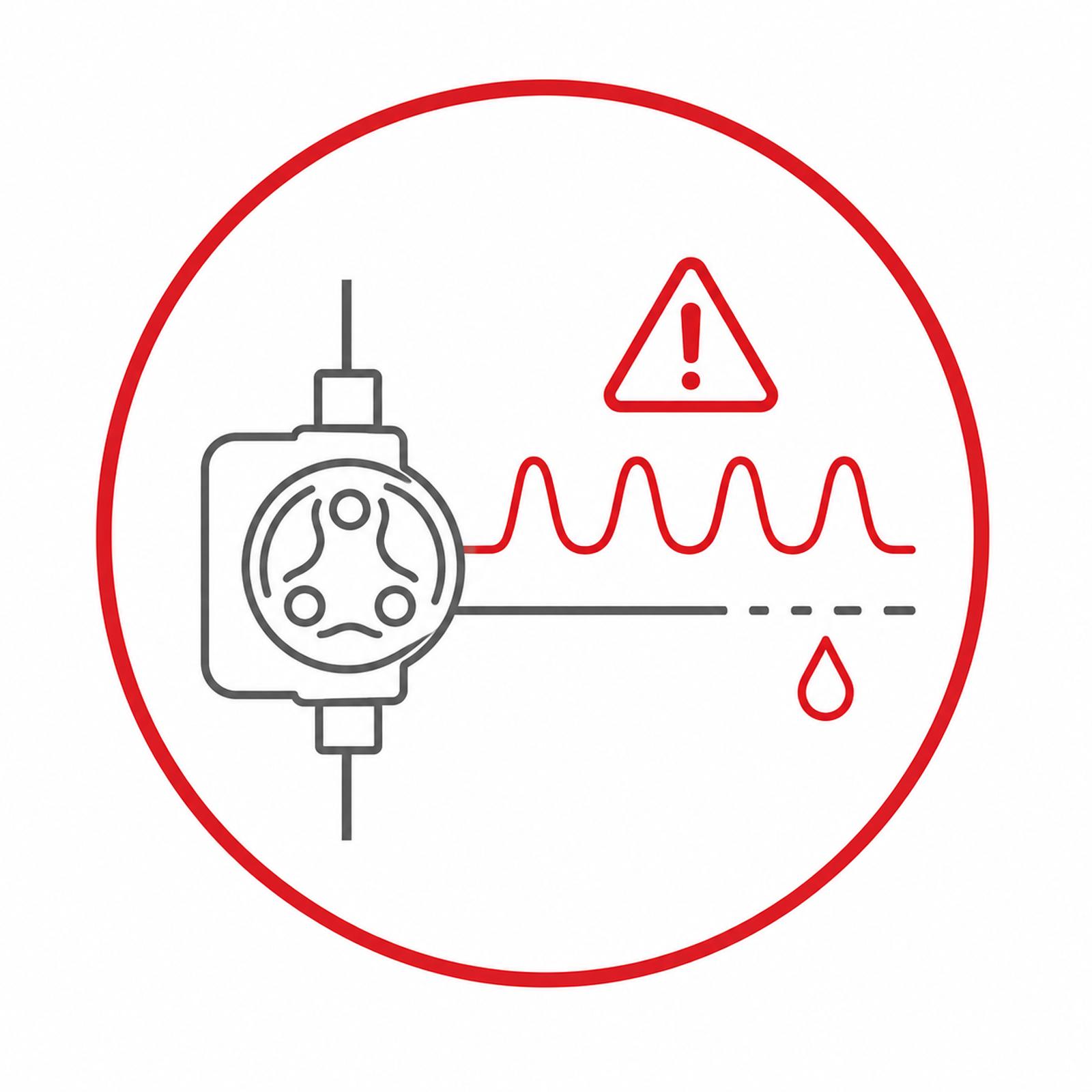
Pulsation and flow icon

Pulsation and flow instability

Can introduce variability during sample aspiration, reagents metering, and controlled dispensing, reducing precision and accuracy in automated testing.
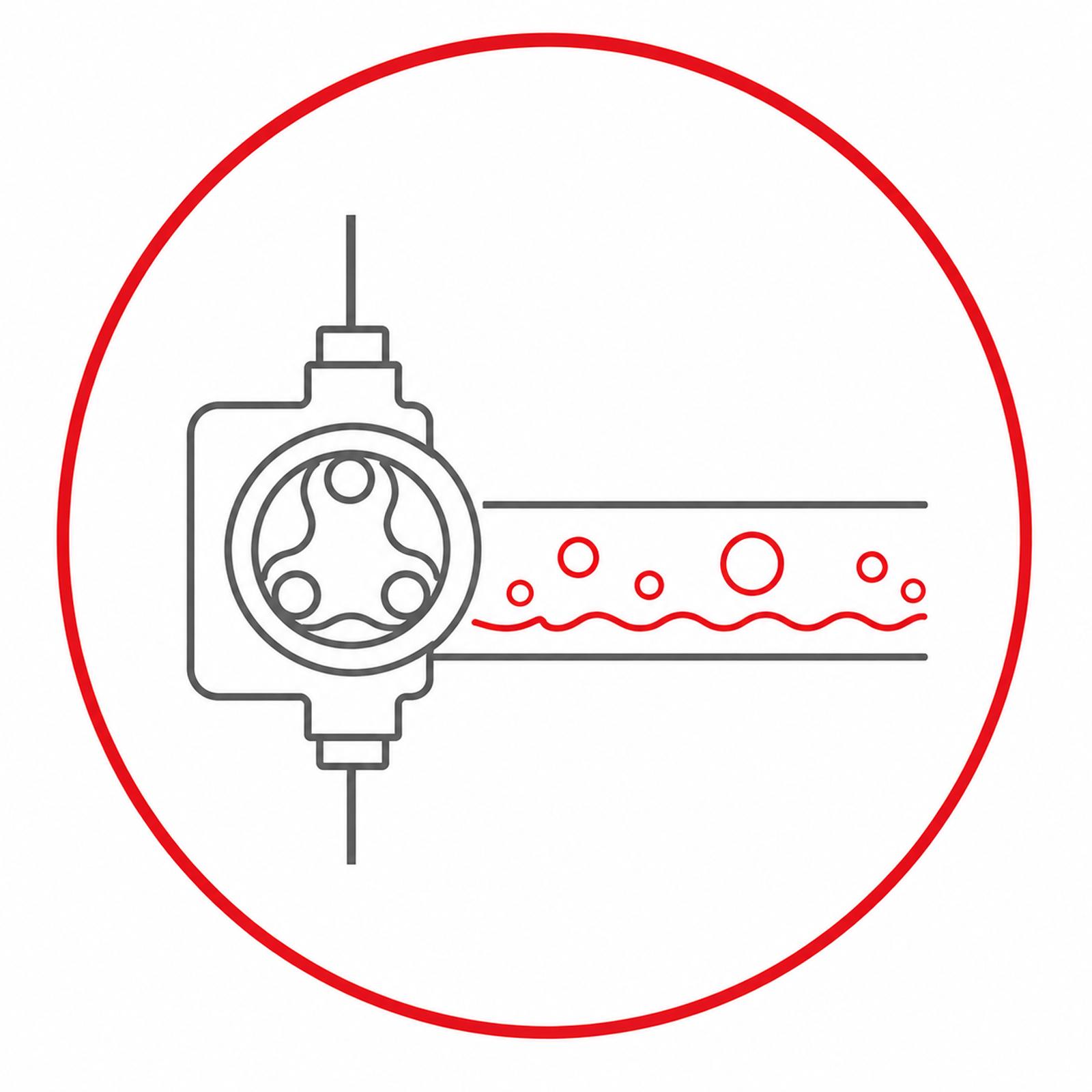
Air trapped in a pump

Air entrainment and bubble formation

May interfere with optical readouts and compromise measurement repeatability, impacting results quality in laboratory instruments.

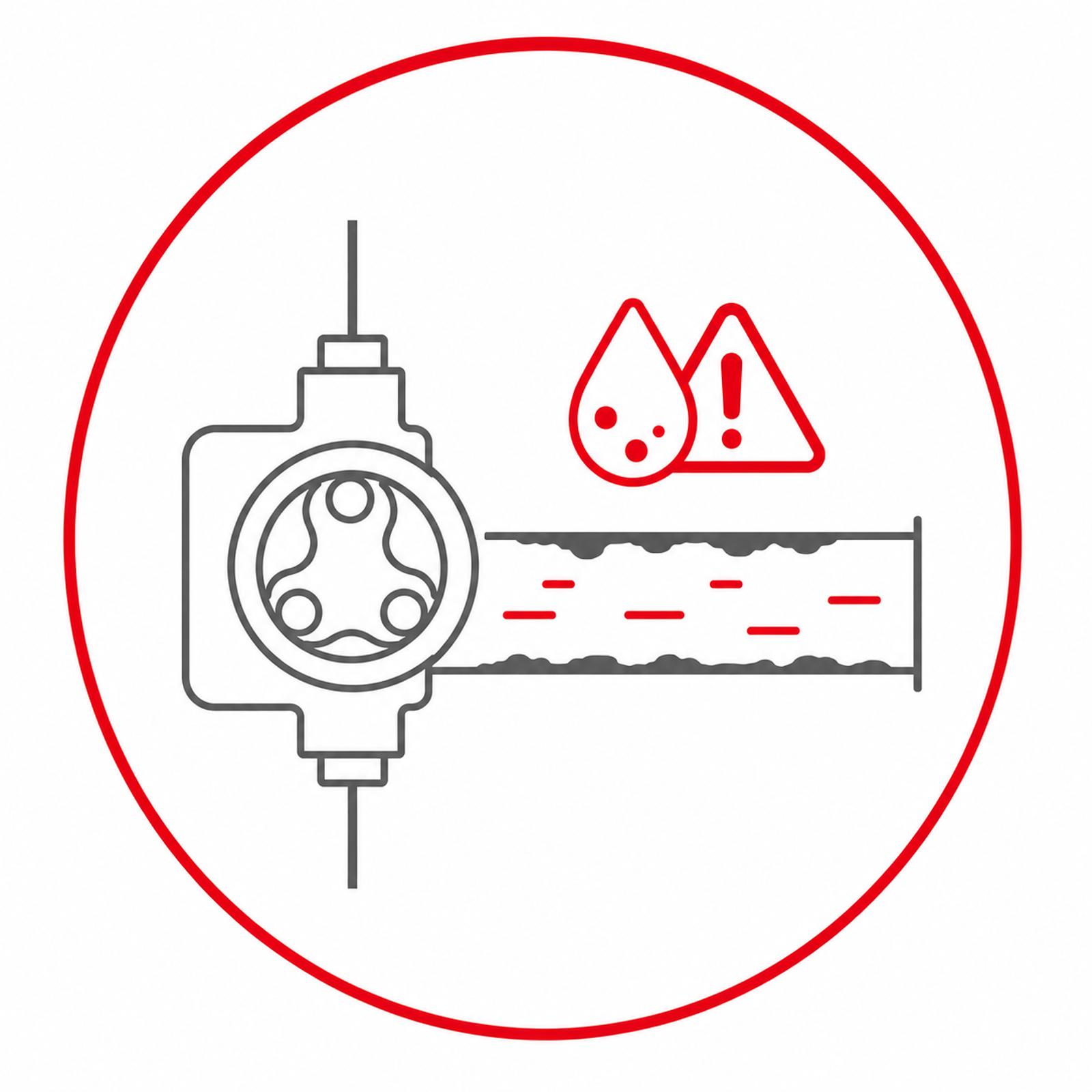
wet inside of a pump icon

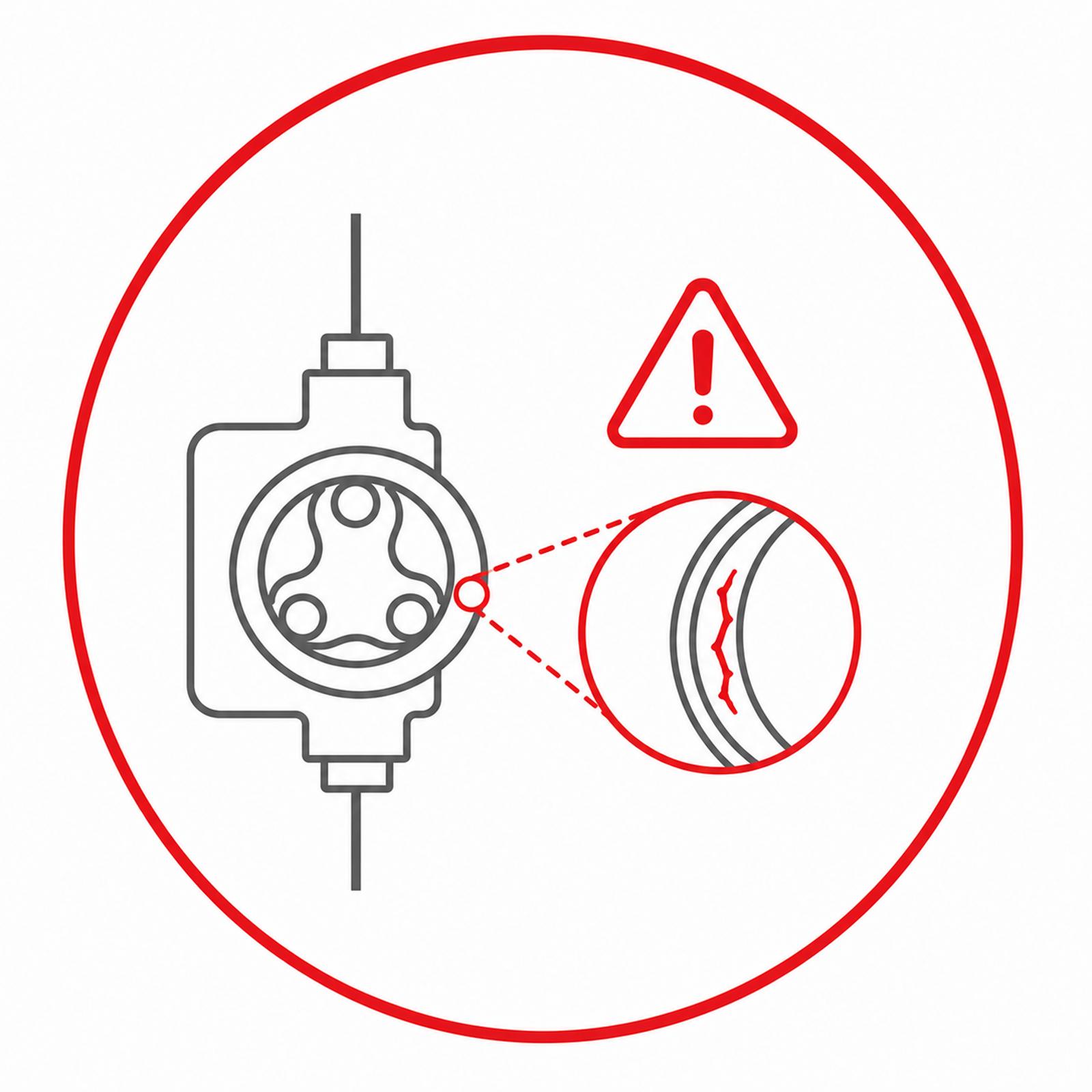
Chemical degradation of wetted materials

Includes swelling, embrittlement, or leaching when reagents vary in formulation, detergents, or buffer strength. This can affect fluid handling reliability in clinical chemistry analyzers and other diagnostic applications.

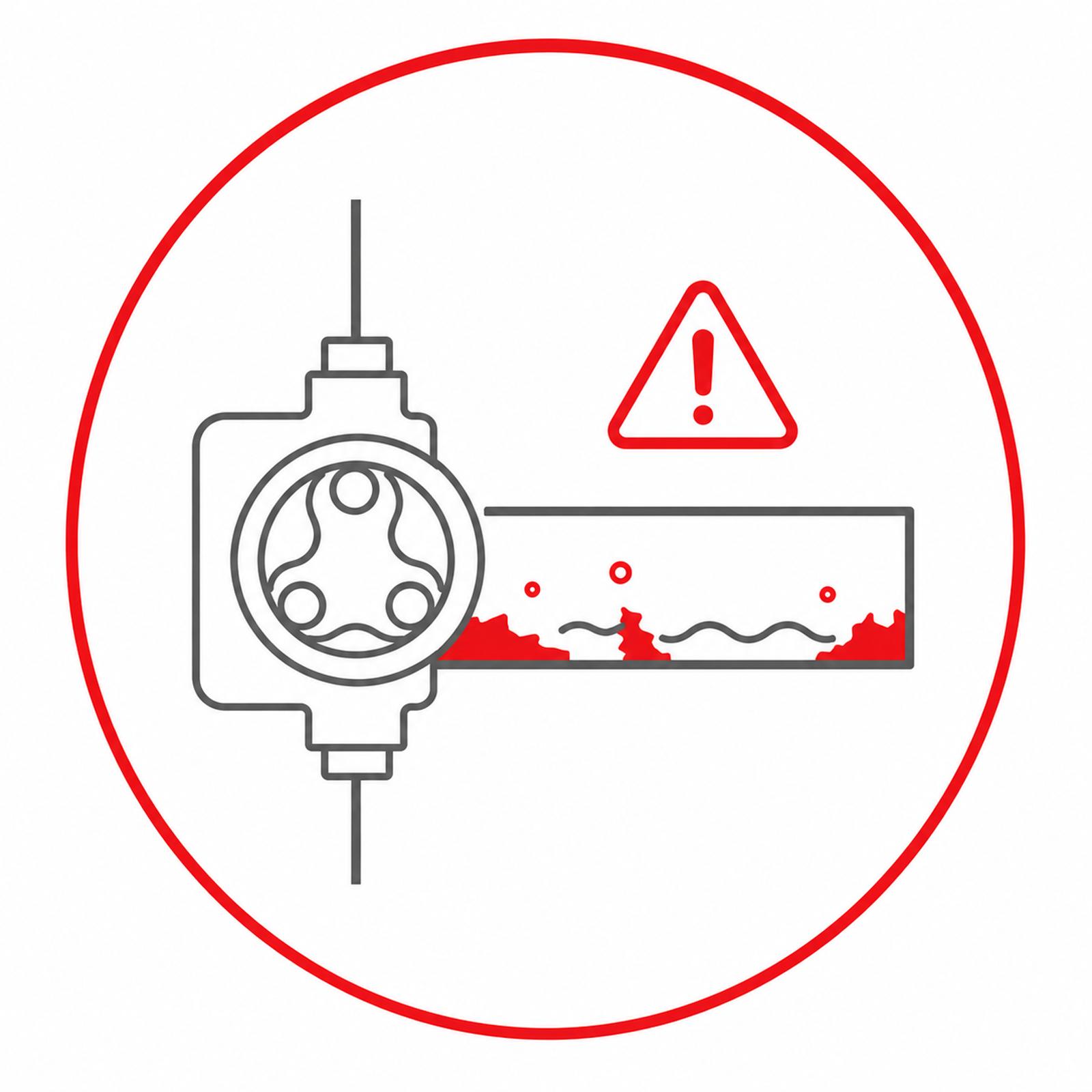
Crystallization icon pump

Crystallization or residue buildup in flow paths

Can restrict flow, alter effective flow rate, and increase the likelihood of downstream measurement drift—especially in high-throughput chemistry analyzers and lab system operation.

Seal and diaphragm wear icon

Seal and diaphragm wear

Can lead to reduced accurate dosing and control, increased maintenance needs, and potential downtime in the laboratory equipment.

Service & Replacement Planning for Clinical Chemistry Analyzer Pumps

In high-throughput laboratory environments, maintenance planning is essential to protect uptime and preserve results quality. Exact intervals vary based on reagent chemistry, operating hours, and pump technology, but Engineering teams typically manage service using a combination of:

Preventive maintenance schedules

Set intervals using cycle counts and operating conditions to support reliable operation in automated diagnostic instruments and analyzers.

Performance verification

Confirm metering accuracy and flow stability (e.g., volume dispensing and dosing consistency) to detect drift before it impacts clinical testing results.

Inspection of wetted components

Check fluid handling parts for wear, residue, or material changes that could affect pressure control, accuracy, or liquid compatibility with chemical reagents.

Replacement of critical wear parts

Replace items such as diaphragms, seals, or tubing elements (where applicable) before end-of-life to help ensure consistent performance in IVD applications, including clinical chemistry analyzers and chemistry analyzers.

For OEMs, the goal is simple: minimize unplanned service interruptions while keeping flow and metering performance within specification across the analyzer’s life-of-instrument. The more predictable the pump’s wear behavior, the easier it is to protect laboratory uptime.

Flow Rate & Pressure Specs That Drive Analyzer Performance

When defining pump requirements for clinical chemistry analyzers, the most important performance targets typically include both flow capability and the ability to maintain that flow under real system conditions.

Key specifications often include:


Rated flow range

Match the analyzer’s microliter dispensing and dosing needs for sample, reagents, and waste handling in automated IVD laboratory instruments and applications.

Pressure capability

Provide enough pressure to overcome fluidic resistance in the system (tubing, valves, manifolds, and waste paths) without compromising metering accuracy and precision.

Flow stability and repeatability

Help ensure consistent, accurate delivery and reduce cycle-to-cycle variation during high-throughput operation.

Low pulsation performance

Limit bubble formation in the fluid path to support stable measurement and diagnostic testing results.

Compatibility with viscosity changes

Ensure the pump maintains accurate volume control even when chemical reagent formulations vary across clinical chemistry applications for OEM equipment.


When pump flow and pressure specifications are aligned with the analyzer’s fluidic design, you reduce surprises during verification and scale-up. The payoff is better system reliability and more consistent diagnostic testing in the lab.

The Thomas Solution: OEM Pump Platforms Built for Clinical Chemistry

Thomas liquid pumps are built for high-precision fluid handling in clinical chemistry laboratories and clinical chemistry analyzers. Our Liquid Diaphragm Pumps and Peristaltic Pumps are designed to support:

  • Accurate reagent dispensing and dependable waste removal
  • Consistent chemical compatibility with common buffers and detergents
  • Smooth, controlled flow for repeatable metering in day-to-day laboratory operation

In automated testing workflows, these pump technologies help reduce variability by providing steady control during:

  • Sample aspiration
  • Reagent dosing
  • Microliter dispensing

For applications that require the highest metering precision, our TriContinent Syringe Pumps deliver drift-free accuracy and exceptional repeatability—helping ensure stable performance over millions of cycles. To address common chemistry analyzers risks such as crystallization and residue buildup, Thomas pump designs are engineered to minimize conditions that can lead to flow-path restriction and measurement drift.

We also support long-term reliability with robust, service-aware design—so maintenance planning is straightforward and performance stays within specification throughout the life of your instruments and equipment.

By partnering with your Engineering team, we can tailor a complete pump solution for OEM diagnostic systems—matching pump type, flow/pressure requirements, and wetted-material compatibility—to provide life-of-instrument reliability for your chemistry analyzer workflow.


Which Pump Types Fit Clinical Diagnostic Instruments?

Clinical chemistry analyzers move fluid through distinct stages—sample aspiration, reagent metering, controlled dispensing, and waste removal—so the best pump choice depends on what each step must achieve. A practical way to decide is to map pump technology to the fluid and performance requirement in each part of the system.

Here’s a quick guide many OEM teams use when matching pump technology to the job:

Peristaltic pumps

Diaphragm pumps

Syringe (liquid diaphragm) pumps

A strong fit when chemical isolation is valuable and you want reliable, repeatable flow with minimal wetted exposure to the pump body.

Useful for controlled aspiration and dispensing where smooth, pulsation-aware flow helps protect optical readouts and measurement consistency. 

Ideal for high-precision metering tasks that demand stable delivery and tight repeatability over long run times.


How to Choose a Pump for a Clinical Chemistry Analyzer? (OEM Checklist)

When selecting a pump for clinical diagnostic analyzers, evaluate performance and chemical compatibility together. The “right” pump is the one that stays accurate under real operating conditions—your tubing, your valves, your reagents, your duty cycle. Use this checklist to keep the selection process grounded:

  • Flow and pressure requirements: Confirm the pump can deliver the required flow range and maintain that delivery against tubing, valves, manifolds, and waste-path resistance.
  • Flow stability and repeatability: Prioritize low pulsation and consistent cycle-to-cycle metering to reduce variability during sample aspiration and microliter dispensing.
  • Chemical compatibility: Verify wetted-material suitability for buffers, detergents, and reagents to limit swelling, embrittlement, or leaching.
  • Viscosity and formulation tolerance: Ensure the pump maintains accurate delivery when reagent viscosity changes across applications.
  • Service and life-of-instrument reliability: Choose a design that supports predictable maintenance and keeps performance within specification over millions of cycles.

For many OEM programs, the most effective approach is a custom pump solution—matching pump type, flow/pressure needs, and wetted-material compatibility to the analyzer’s fluidic system and the chemistry it will run. 

Peristaltic vs. Syringe Pumps: What’s the Difference for Analyzer Metering?

Both peristaltic and Syringe pump technologies are used in clinical chemistry analyzers, but they shine in different scenarios. If you’re deciding between them for a specific subsystem, the key is whether your priority is chemical isolation, or maximum metering precision over long run times.

Peristaltic pumps

Syringe pumps

often chosen when you want strong chemical isolation and consistent flow delivery with limited wetted exposure to the pump mechanism. They’re a good fit for reagent handling where minimizing cross-contamination risk matters.

often chosen when the analyzer needs the highest metering precision—especially when repeatability requirements are tight. Syringe-based designs support accurate microliter dosing and drift-sensitive workflows.


If you want a tailored fit, Thomas and TriContinent can help you evaluate the best technology for your analyzer’s fluidic system, performance requirements, and service expectations.