
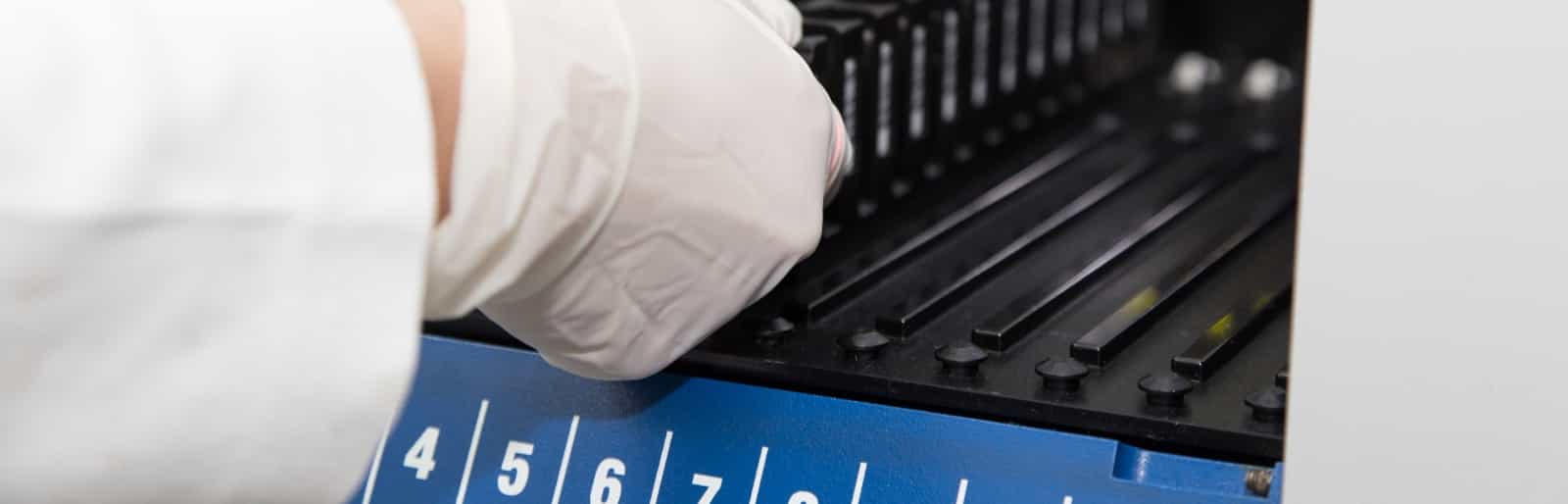
Immunoassay fluidics pumps are the precision pump components that move, meter, wash, and aspirate fluid throughout an analyzer’s assay workflow — supporting automated sample and reagent dispensing, incubation, washing, and fluidic transfer to signal detection. In immunoassay analyzers, this pump-driven fluidics control helps ensure consistent assay performance by delivering accurate volumes and reliable wash aspiration that reduce background signal.
Thomas & TriContinent Pumps & Compressors for Immunoassay Analyzer
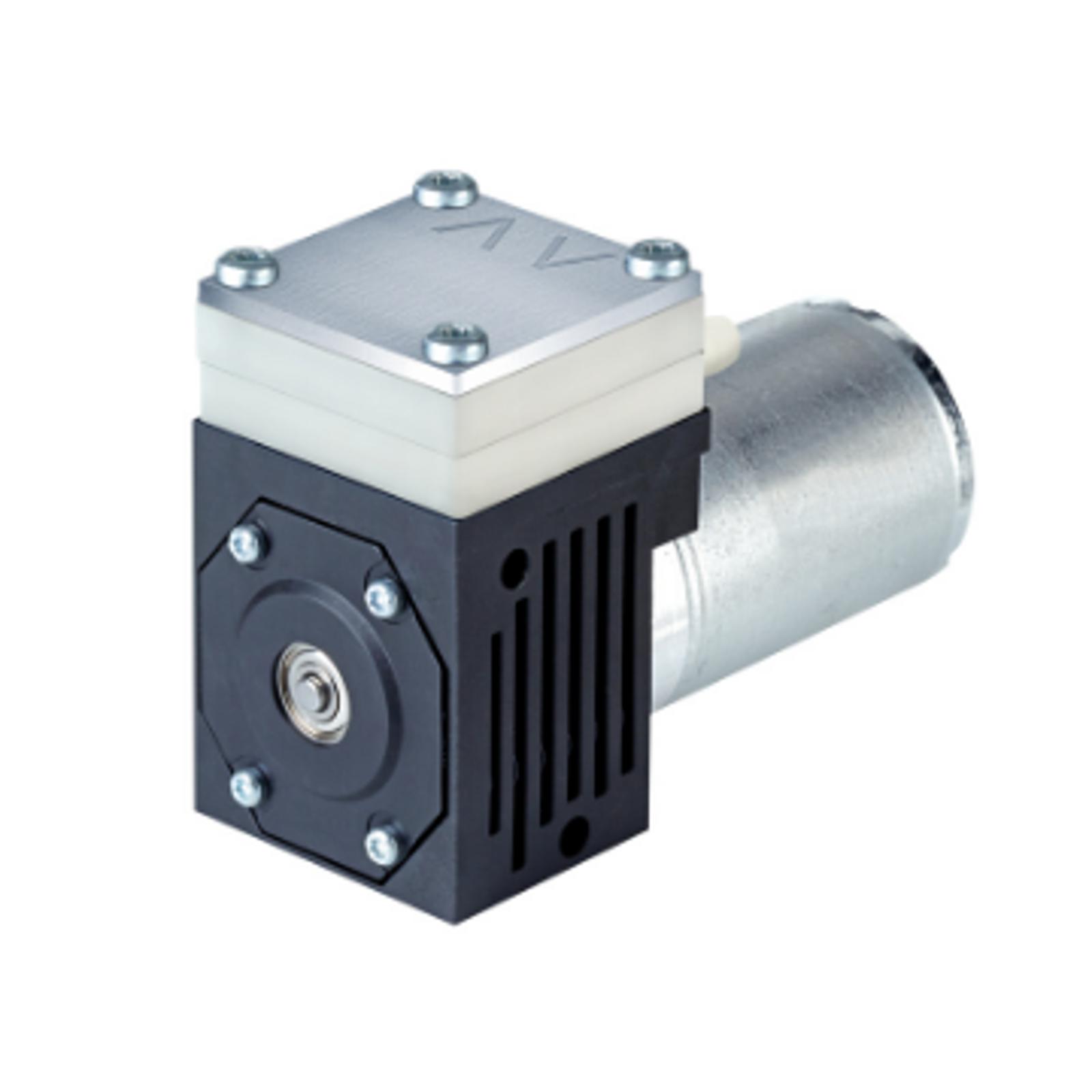
6313 Series
- Liquid Capacity up to 500 ml/min
- Gas capacity up to 2300 ml/min / 0.61 gpm
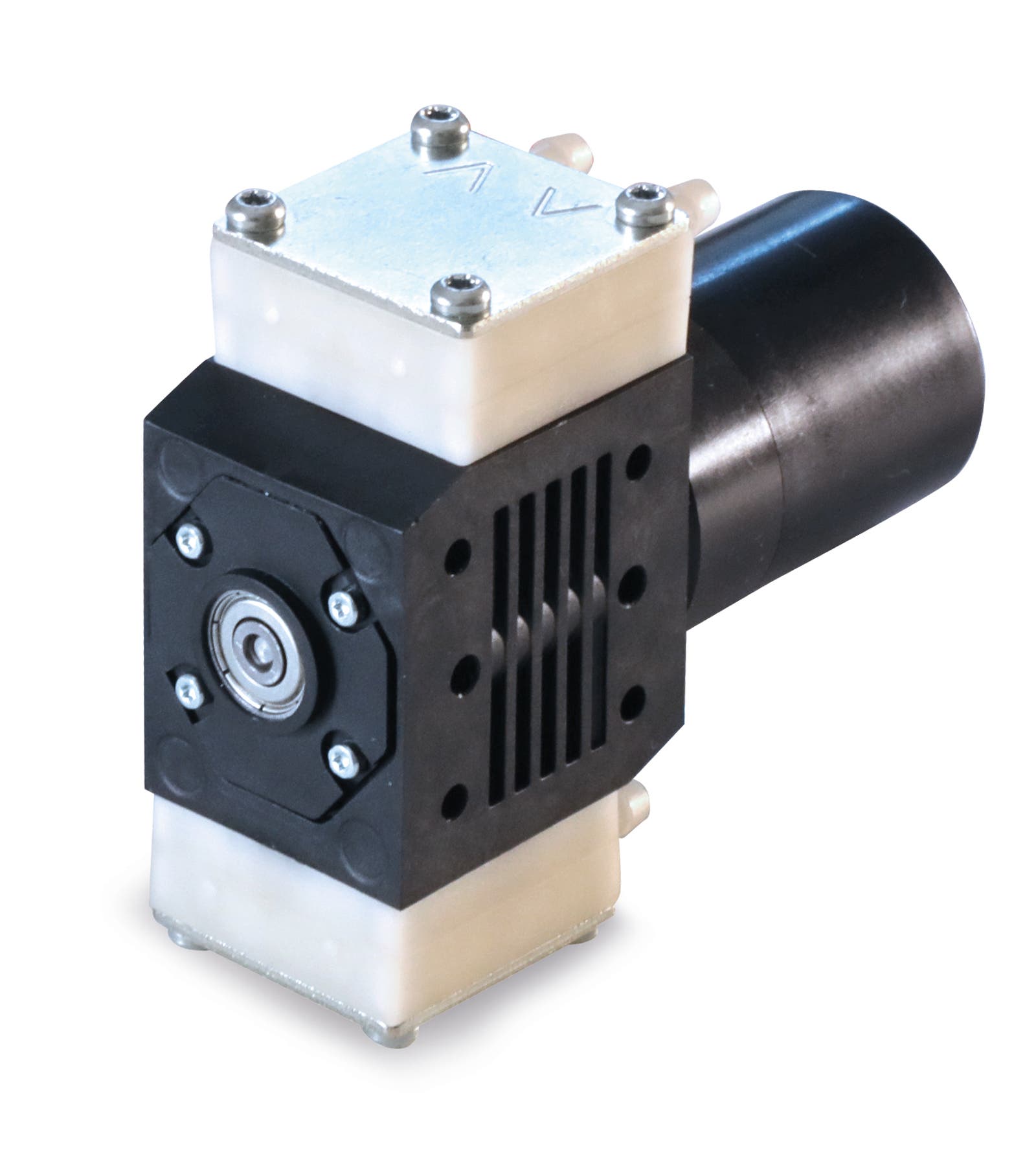
6323 Series
- Liquid Capacity up to 1500 ml/min
- Gas capacity up to 5000 ml/min / 1.32 gpm
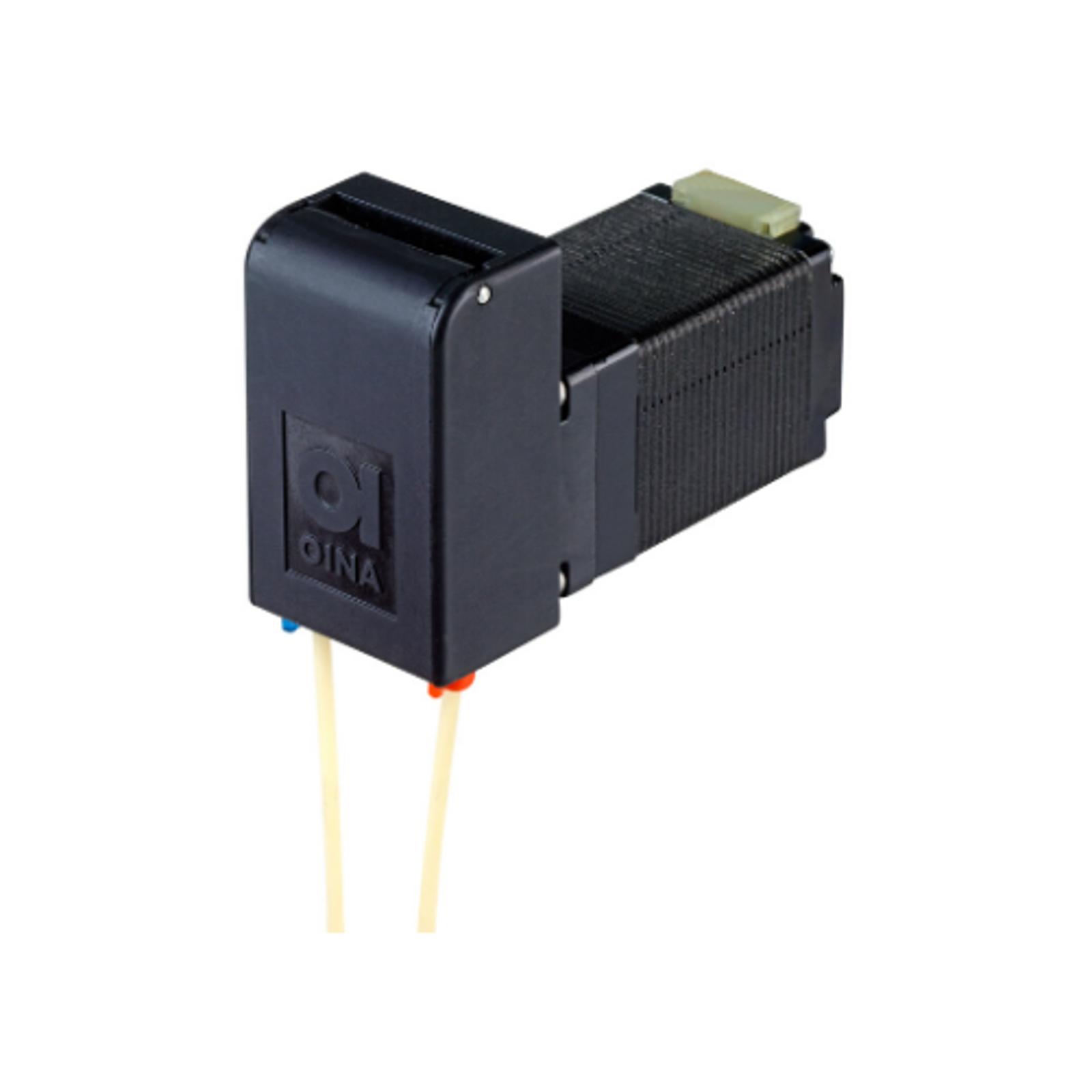
ETL200 Series
- Liquid Capacity up to 60 ml/min
- Pressure up to 2000 mbar / 29.0 psi
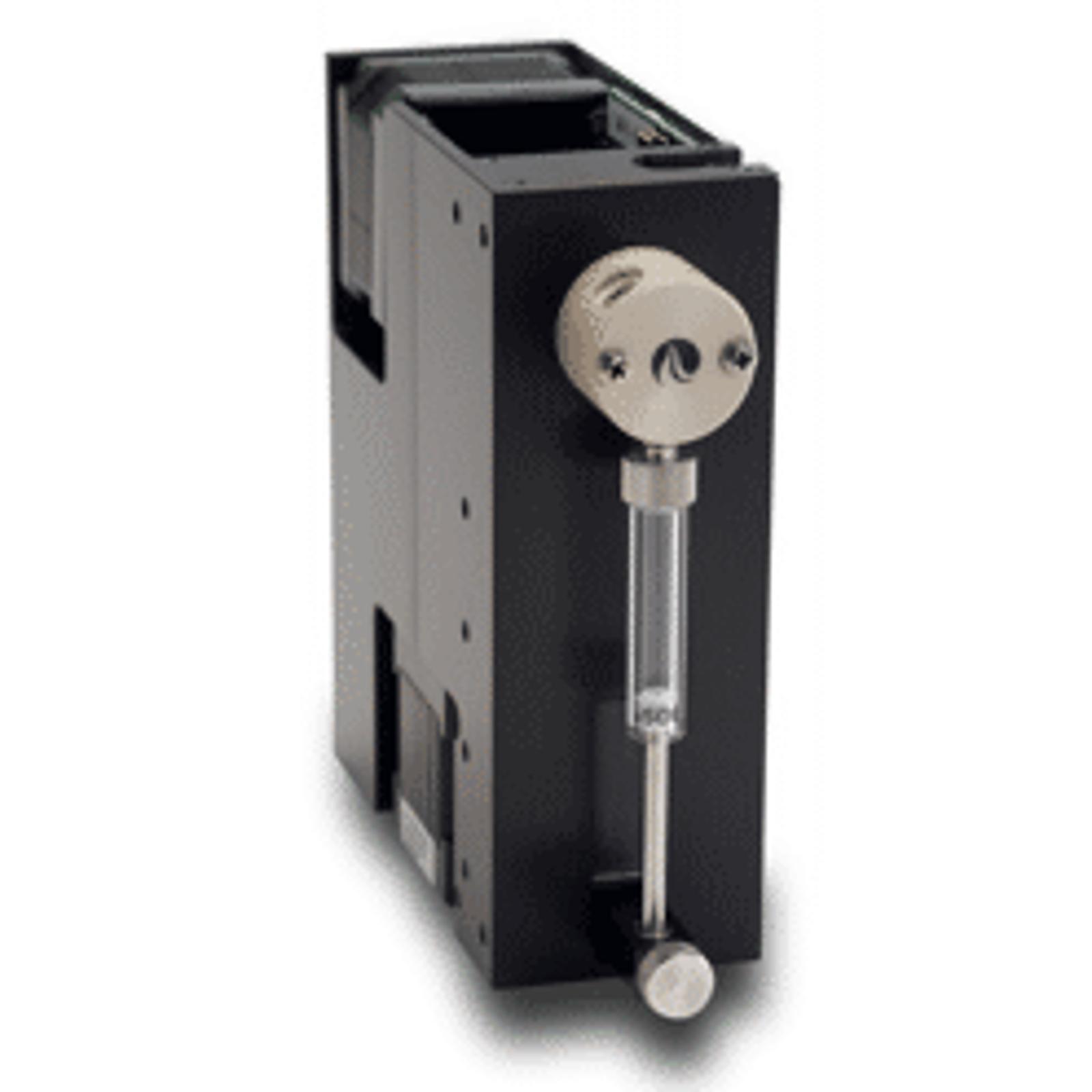
C-Series
- 30 mm Stroke
- Resolution: Up to 192,000 steps
- Full Control Electronics
The Engineering Challenge
Immunoassay analyzer fluidics introduce demanding pump requirements across every assay step. A key challenge is dispensing microliter volumes of high-value reagents with tight dispense-volume accuracy — often targeting <0.5% CV — to protect assay reproducibility and manage reagent cost. Pumps also need strong fluid compatibility with salt-based buffers and detergents; otherwise, crystallization can form deposits that contribute to blocked valves, restricted flow paths, and eventual pump seizure.
Beyond crystallization, common failure modes include seal leakage that allows fluid ingress or loss of prime, tubing wear that changes flow resistance over time, trapped air that disrupts aspiration, and calibration drift that degrades dispense accuracy. During wash steps, the pump system must deliver sufficient discharge pressure to dispense wash buffer while maintaining stable vacuum to aspirate it completely — reducing residual carryover and background signal. To limit splashing and cross-contamination between wells, engineers should also prioritize low pulsation and smooth flow stability. Finally, performance must be evaluated by assay step using practical specifications such as flow rate, maximum discharge pressure, vacuum level, aspiration speed, and duty cycle, ensuring reliable operation throughout long analyzer runs.
Because immunoassay pump performance depends on what the fluidic system actually contacts, wetted-part materials must be chosen based on the specific buffers, detergents, samples, and cleaning agents used in the assay. Engineers typically evaluate low-adsorption, chemically resistant options such as PEEK, PTFE, compatible elastomers, and ceramics, along with appropriate stainless-steel grades where metal contact is required. Just as important, the selected materials should support stable operation of critical components like valves by resisting swelling, corrosion, and surface fouling that can increase flow resistance, promote crystallization, or create residual background signals. In practice, material selection should be validated with the real chemistry and operating conditions (temperature, exposure time, and cleaning cycles) to confirm compatibility and minimize adsorption or a leach that could affect assay results.
The Thomas & TriContinent Solutions
Thomas provides OEM pumps and fluidic equipment designed for immunoassay analyzers, helping analyzer manufacturers integrate reliable fluid handling across the full assay workflow. These device-level pump systems are configurable for the analyzer’s fluidic architecture — matching wetted-part materials, footprint, control interfaces, and fluid connections to protect performance with salt-based buffers, detergents, and cleaning agents.
For wash and aspiration steps, Thomas vacuum pumps generate negative pressure to aspirate wash liquid and waste efficiently. Stable vacuum supports complete removal of wash buffer, which helps reduce residual carryover and background signal.
For high-precision reagent dispensing, Thomas TriContinent syringe pumps use controlled syringe (plunger) motion to meter and deliver defined microliter volumes with strong repeatability. This makes syringe pumps well-suited to applications that require tight dispense-volume accuracy and consistent assay reproducibility.
Choosing the right pump for immunoassay reagent dispensing typically comes down to:
Required volume accuracy
(e.g., low CV targets)
Chemical compatibility
minimize crystallization and deposits
Flow stability and low pulsation
limit splashing and cross-contamination
Contamination risk
Duty cycle
for long analyzer runs
valve compatibility and maintenance access
In direct comparison, syringe pumps excel at precise, drift-free metering of critical reagents, while peristaltic pumps provide a contamination-controlled approach by isolating the fluid inside replaceable tubing. Peristaltic pumps can simplify maintenance and reduce exposure of the pump mechanism to aggressive fluids, making them a strong option when contamination control and serviceability are top priorities.