Products
Gas Pumps
Liquid Pumps
Industries & Applications
Bio pharmaceutical
Clinical Diagnostics
Medical Devices
Respiratory
Food & Beverage
Printing
Transportation
Knowledge Hub
Technology
White Papers
Webinars
Pumps Maintenance
About Us
News and Events
History
Values
Worldwide Locations
Distributors
Download Center
Careers

Discover Thomas OEM pumps and vacuum pumps for blood gas analyzers and related accessories. Low‑pulsation peristaltic and diaphragm pumps ensure accurate, contamination‑free fluid handling for blood gas analysis.

Blood gas analyzers are monitoring devices used in hospitals and emergency settings to deliver fast, time-critical blood gas results that reflect a patient’s respiratory and metabolic status. They measure key parameters such as pH, pCO2, pO2, and electrolyte values from a small whole blood sample — often only a few drops.

To keep results accurate and repeatable, a blood gas analyzer depends on essential accessories and consumables that support the full fluidics workflow: sample preparation, gas sampling, transport to the sensor, and thorough cleaning between runs. Commonly required items include calibration standards, rinse/wash solutions, and sample handling tubing, along with fluidics components that help protect measurement quality.

Depending on the analyzer design additional accessories may include:

Filters and particulate traps

to reduce contamination risk in the fluid path

Bubble control components (e.g., bubble traps)

to improve repeatability during aspiration

Vacuum/aspiration interfaces

such as vacuum lines, manifolds, and connectors

Probes and fluidics connectors

that route blood, wash, and calibration fluids reliably

Waste and collection components

that support safe, consistent disposal of used fluids

Together, these accessories help the fluidics system precisely move the blood sample to the sensors and route calibration and rinse solutions as needed. That’s why the pump and its supporting vacuum system are critical: they stabilize aspiration and wash routing, helping the analyzer maintain high precision and consistent analytical performance for clinical, time-critical gas testing.

A gas analyzer sample pump is the fluidics component that draws in, transports, and delivers the sample to the sensing area. In a blood gas analyzer, it typically aspirates a precisely controlled blood volume (often in the tens of microliters) and moves it through the analyzer’s fluid path so the electrodes can measure pH, pCO2, and pO2 with repeatable accuracy.

How the gas sampling pump works (step-by-step)

  1. Priming and readiness: The pump primes the fluid path and establishes a stable starting condition, helping reduce trapped air before sampling.
  2. Controlled aspiration: Using its flow control, the pump draws the blood sample into the fluidics channel at a defined rate and timing.
  3. Sample slug formation: The pump’s low-pulsation delivery helps form a consistent “sample slug,” minimizing disturbances that can cause measurement drift.
  4. Transport to the sensor: The pump moves the sample through tubing and interfaces to the sensor chamber so the electrodes can read pH, pCO2, and pO2.
  5. Wash and rinse between runs: After measurement, the pump routes wash solutions through the same fluidics path to clear residual blood and reduce carryover risk.
  6. Optional vacuum assistance: When suction is required, vacuum pumps (or integrated pressure/vacuum functions) support aspiration and help maintain stable negative pressure during sampling and wash cycles.

Why pump performance matters for blood gas analysis

Because the pump governs flow rate and timing, it directly affects repeatability. Reliable low-pulsation performance and correct vacuum range (when used) help limit bubbles and leaks, supporting stable monitoring in emergency and hospital workflows. Just as importantly, wetted-material compatibility with blood, wash solutions, and calibration fluids helps protect measurement accuracy and long-term performance.

The Engineering Challenge

A Gas Sampling Pump in a blood gas analyzer is responsible for drawing in, moving, and delivering multiple liquids — blood, wash solutions, and calibration standards — through the analyzer’s fluidics path, as part of a controlled analysis process. It aspirates a precise sample volume (often 70–140 µL) and transports it to the sensor chamber so the electrodes can measure pH, pCO2, and pO2 with consistency. To protect accuracy, the pump must maintain a smooth, low-pulsation flow and stable timing, because pressure or flow fluctuations can disturb the sample slug and cause measurement drift. Just as importantly, the pump’s wetted materials and internal design must be compatible with the analyzer’s reagents and wash solutions, helping prevent cross-contamination and supporting dependable performance for time-critical blood gas testing in hospital and emergency settings. For blood gas workflows, consistent blood gas analysis also depends on routine care: correct priming, timely tubing changes, and using reagents within their specified range.

Common Failure Modes in Clinical Chemistry Analyzer Pumps (and What They Look Like in the Lab)

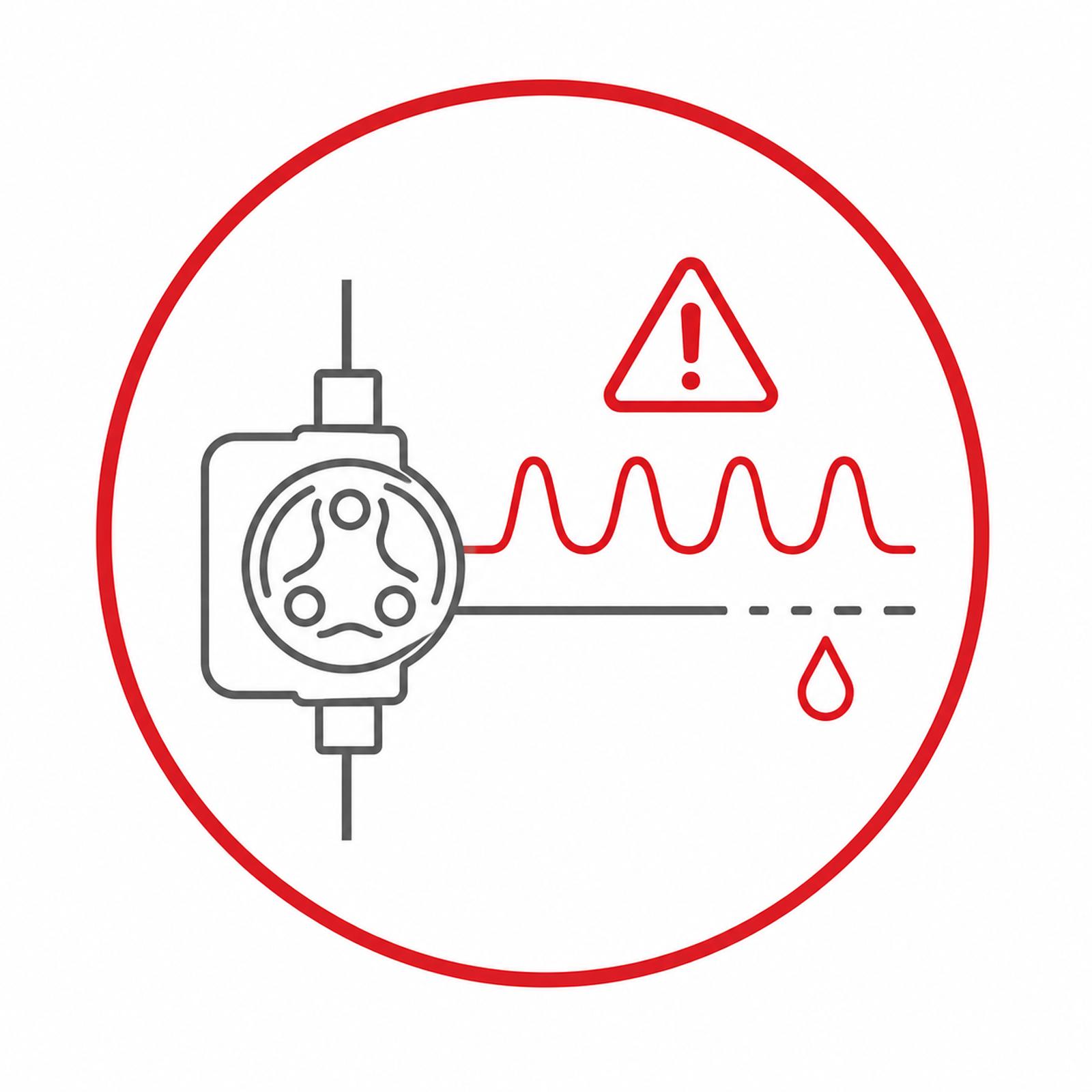
Pulsation and flow icon

Pulsation and flow instability

Can introduce variability during sample aspiration, reagents metering, and controlled dispensing, reducing precision and accuracy in automated testing.
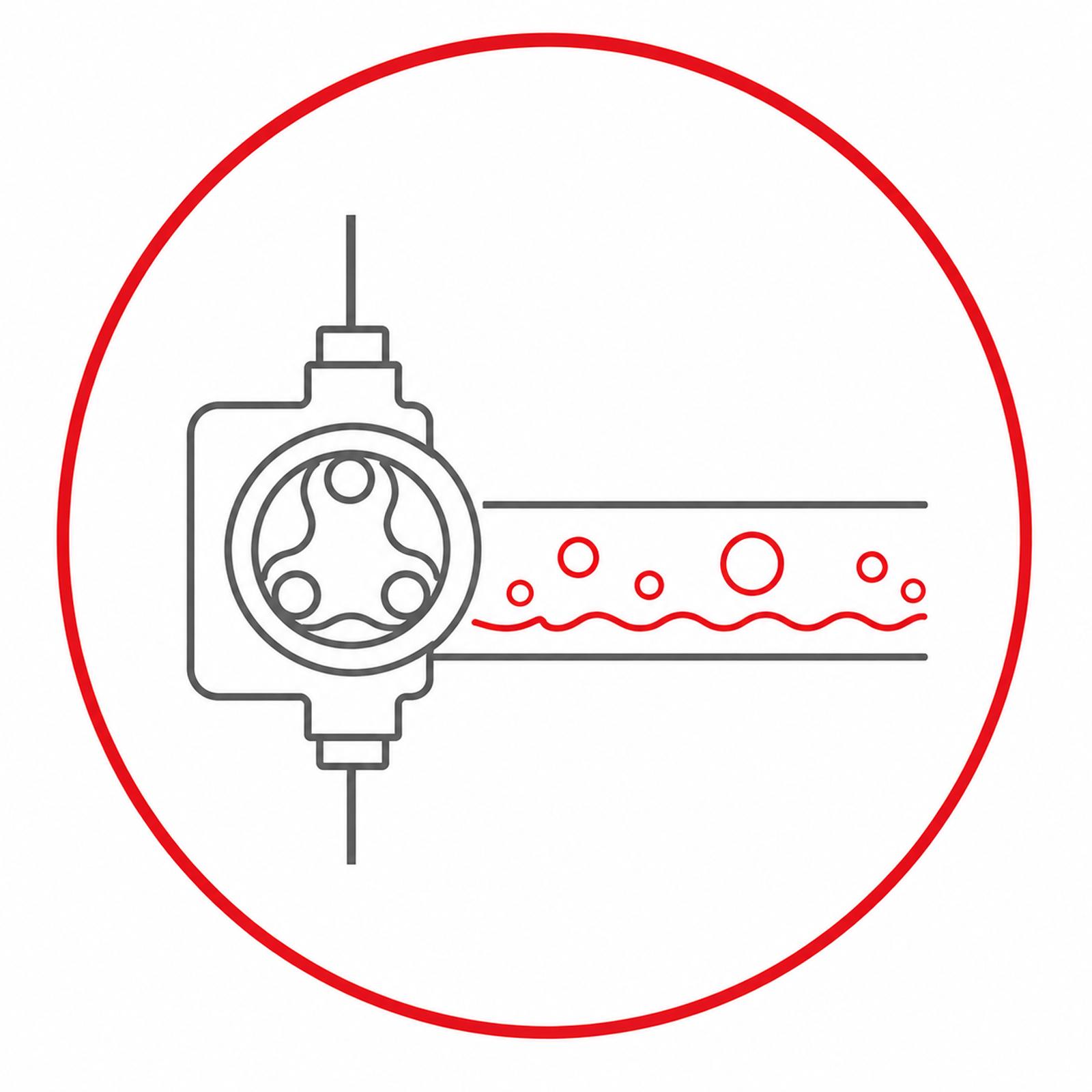
Air trapped in a pump

Air entrainment and bubble formation

May interfere with optical readouts and compromise measurement repeatability, impacting results quality in laboratory instruments.

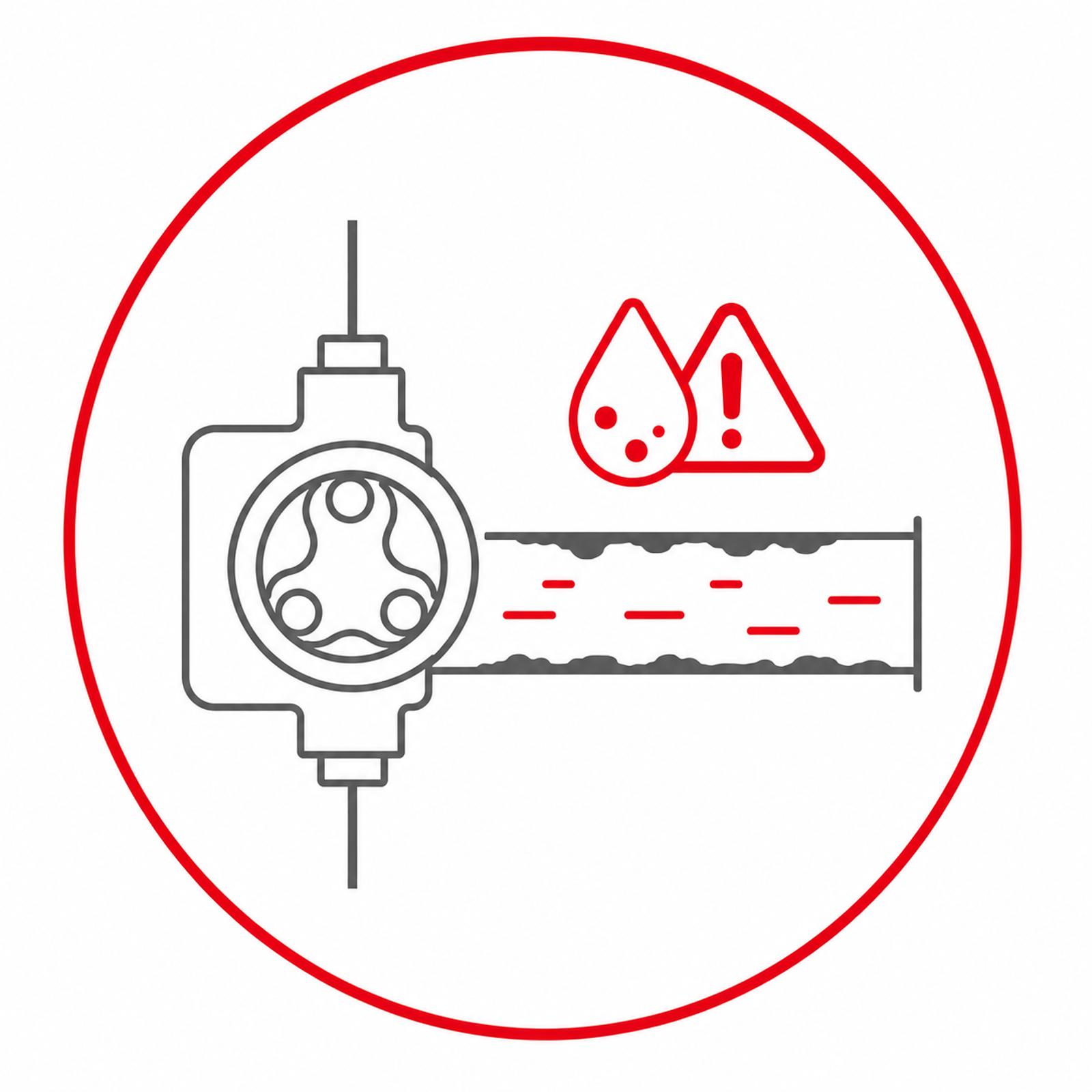
wet inside of a pump icon

Chemical degradation of wetted materials

Includes swelling, embrittlement, or leaching when reagents vary in formulation, detergents, or buffer strength. This can affect fluid handling reliability in clinical chemistry analyzers and other diagnostic applications.

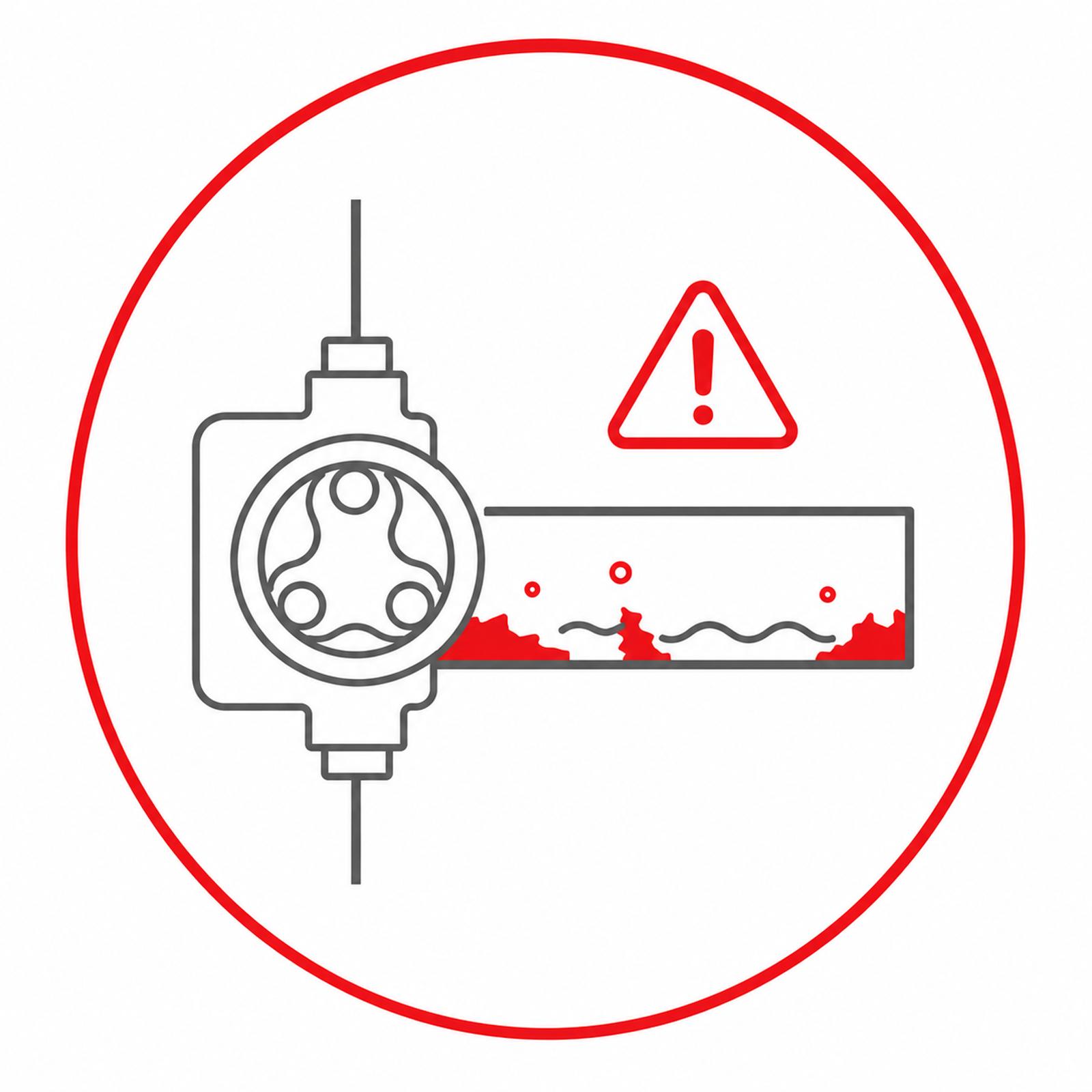
Crystallization icon pump

Crystallization or residue buildup in flow paths

Can restrict flow, alter effective flow rate, and increase the likelihood of downstream measurement drift—especially in high-throughput chemistry analyzers and lab system operation.

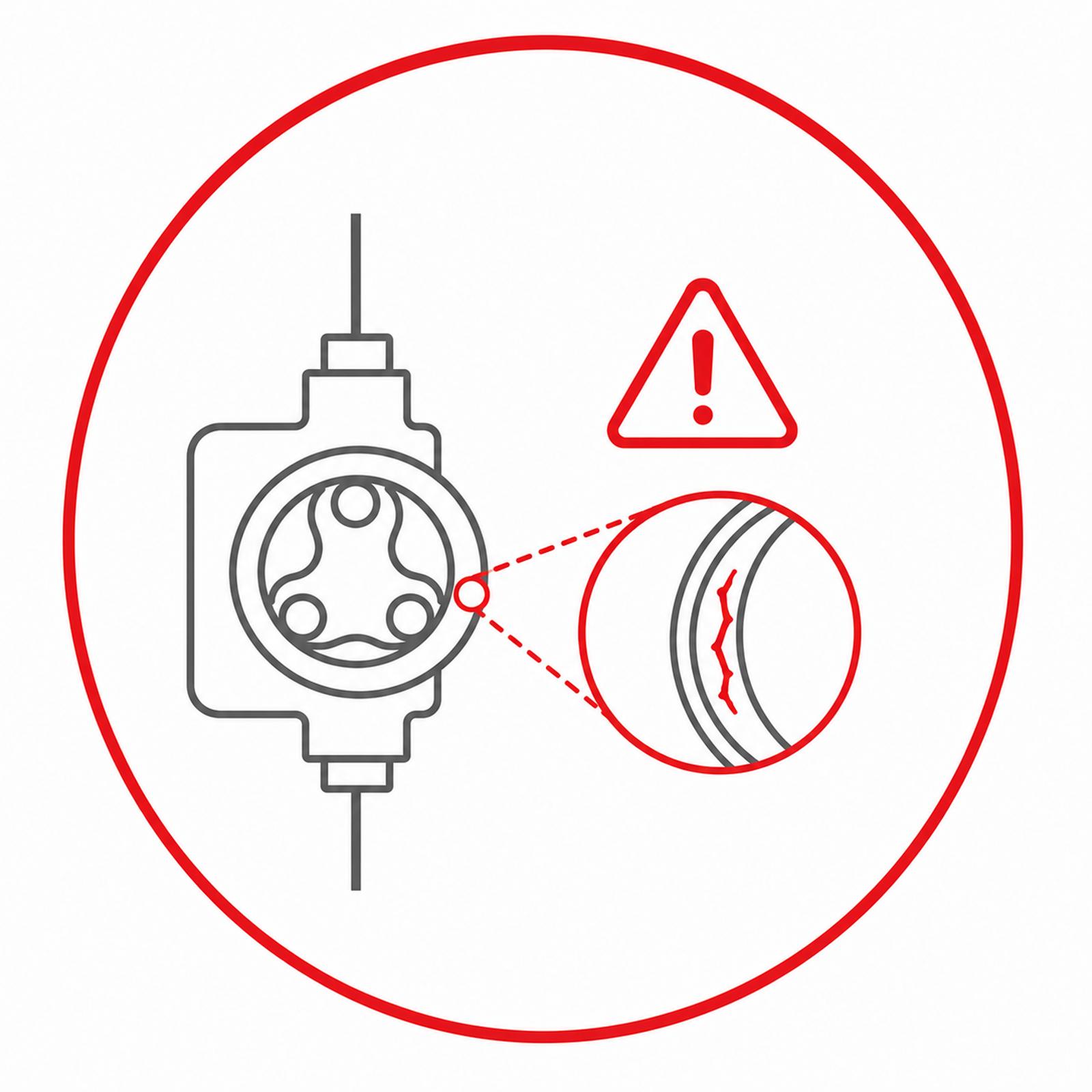
Seal and diaphragm wear icon

Seal and diaphragm wear

Can lead to reduced accurate dosing and control, increased maintenance needs, and potential downtime in the laboratory equipment.

Common pump operation challenges and troubleshooting

To keep monitoring results consistent in emergency and hospital workflows, operators typically troubleshoot by checking both fluidics behavior and maintenance care practices:


Verify priming and bubble control

Confirm the pump is fully primed and that the fluid path is free of trapped air

Inspect tubing and connections

Look for loose fittings, wear, or micro-leaks that can change effective flow rate

Assess wash and rinse performance

Ensure wash solutions are delivered with the correct timing and volume to reduce carryover and protect blood gas quality.

Check for blockages

If response time changes or flow slows, inspect for residue and follow the analyzer’s cleaning procedure.

Confirm calibration and pump settings

Re-check calibration standards and pump control parameters to ensure the device delivers the intended sample volume and timing for repeatable blood gas testing.

Use compatible consumables

Select tubing and wetted components designed for the analyzer’s reagents and wash solutions to protect long-term stability.

Addressing these items helps maintain stable, low-pulsation pump performance — supporting accurate, time-critical blood gas measurements and consistent analysis. Documenting each service step and following recommended care intervals helps keep the device ready for clinical use and reduces repeat testing.

The Thomas Solution

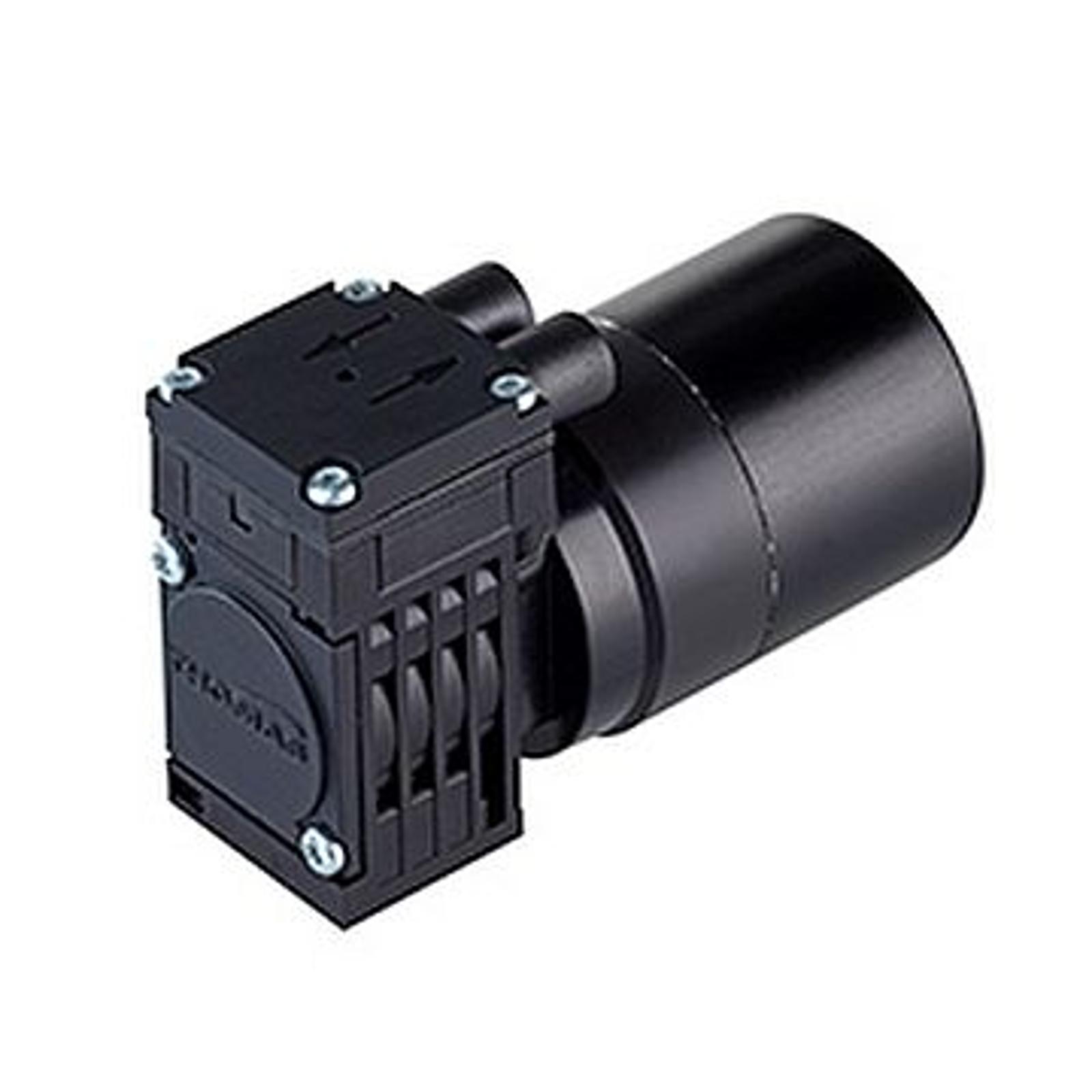
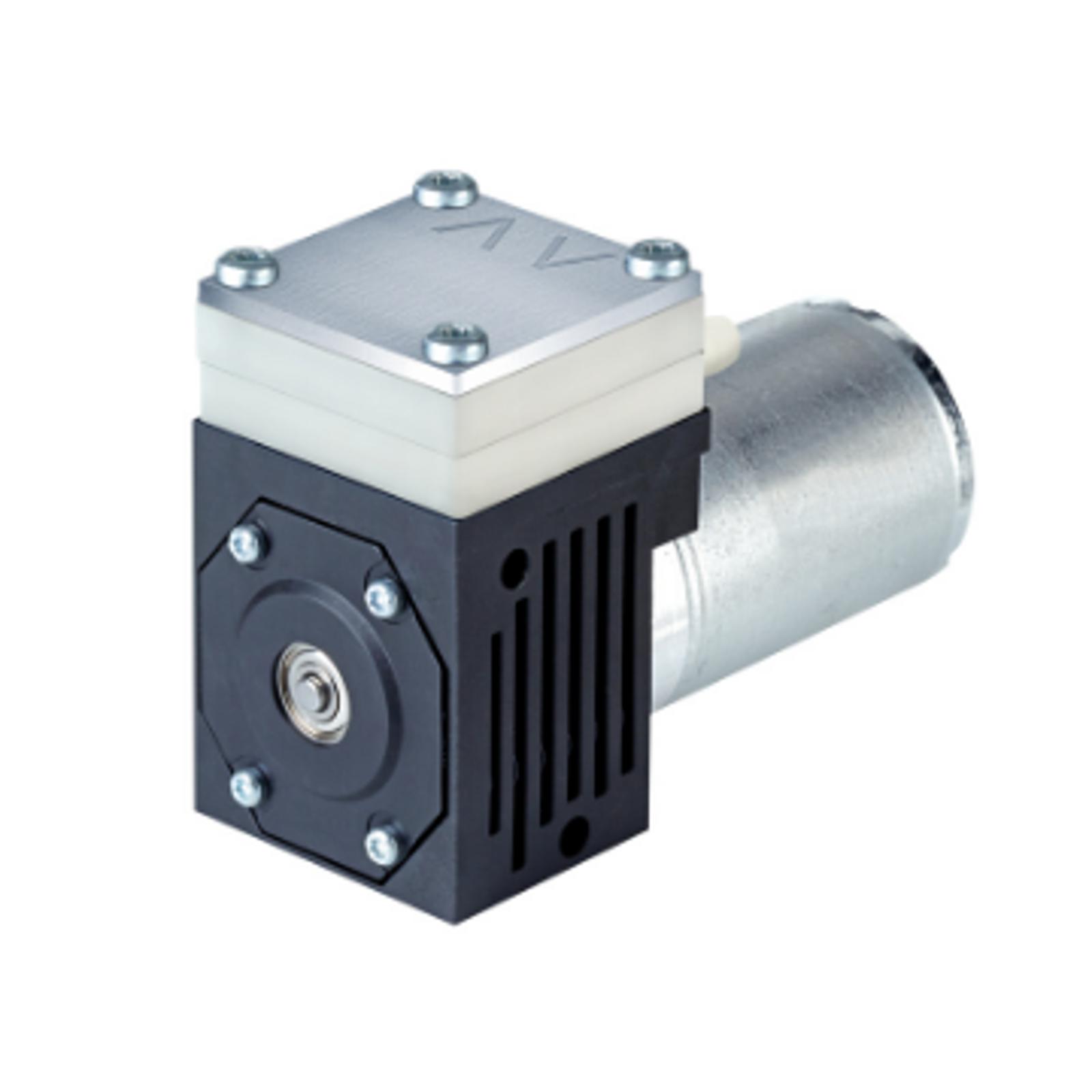
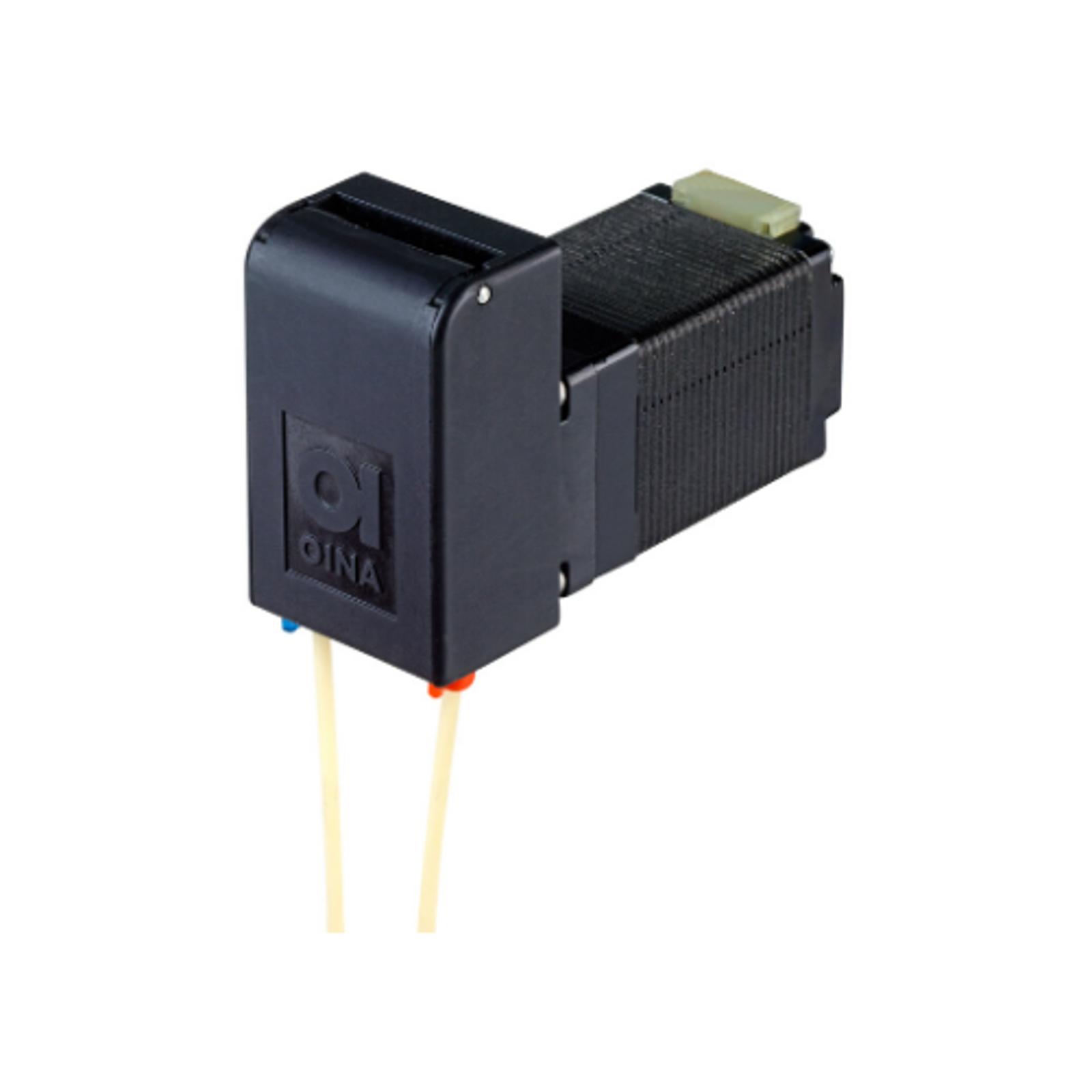
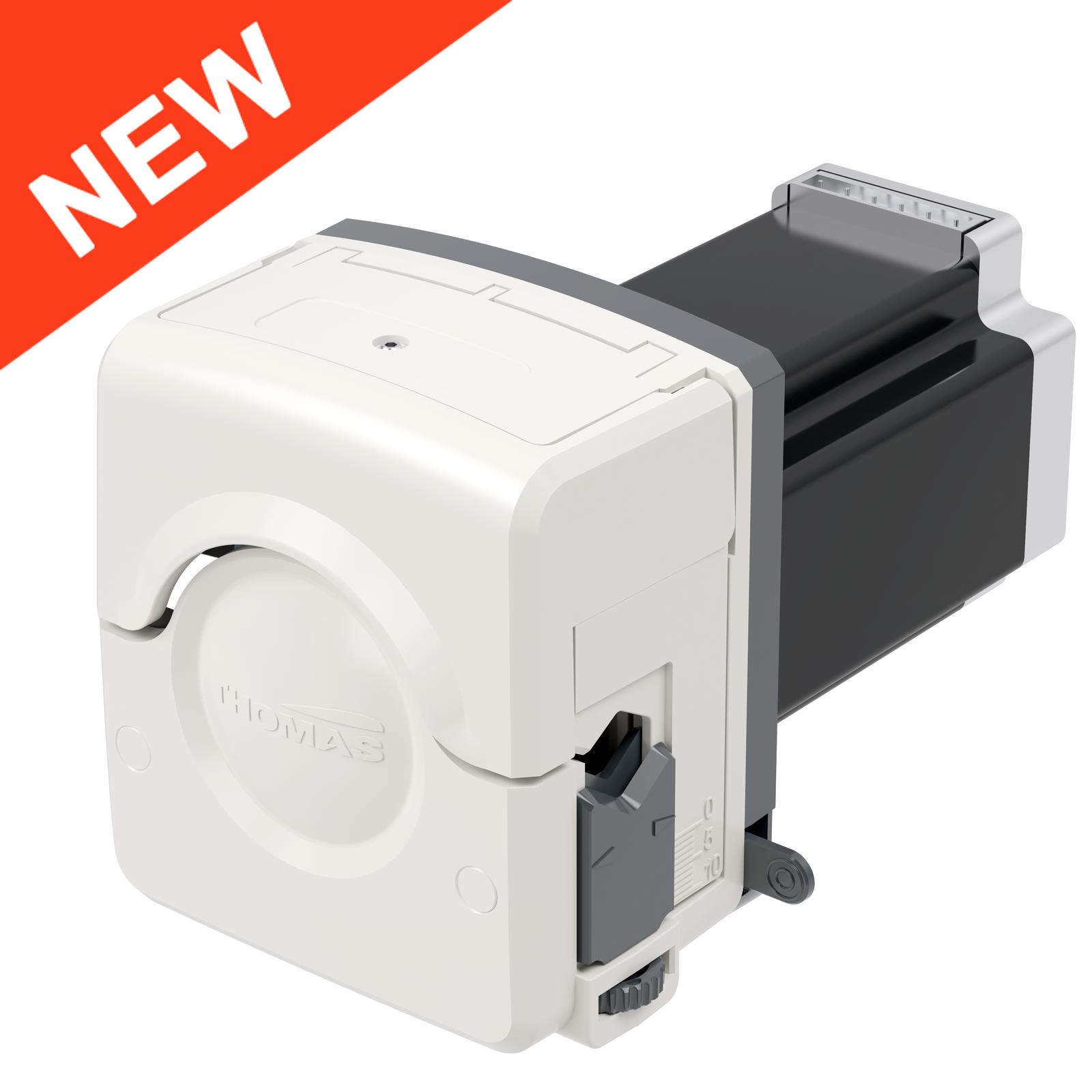
Thomas offers several pump technologies and vacuum pumps ideal for the complex fluidic requirements of blood gas analyzers. Our Liquid Peristaltic Pumps are an excellent choice, using disposable tubing to move samples and reagents, which completely eliminates cross-contamination and simplifies maintenance. For systems requiring integrated pressure and vacuum for sample handling and washing, our dual-head Gas Diaphragm Pumps can be configured to perform both functions in a single, compact unit and support a stable vacuum system. These pumps, driven by precision BLDC motors, provide the low pulsation flow necessary for stable, accurate sensor readings and high-quality results in clinical Diagnostics. Where integrated suction is required, vacuum pumps are often paired with the fluid pump to build a compact vacuum system for aspiration and wash, without compromising flow stability.

How to Choose a Pump for a Clinical Chemistry Analyzer? (OEM Checklist)

When selecting a pump for clinical diagnostic analyzers, evaluate performance and chemical Choosing the right pump for Gas Sampling in a blood gas analyzer comes down to matching the device to the analyzer’s fluidics demands, any supporting vacuum pumps, and the realities of clinical testing.Just as important, buyers should plan for the accessories that keep the system performing: calibration standards, rinse/wash solutions, sample handling tubing, and the fluidics components that connect and protect the measurement path, so the product remains available when needed. Together, these elements help the device deliver fast, time-critical results in emergency and hospital workflows, with consistent monitoring and analysis. For Lab teams, keeping accessories available (tubing, calibration standards, rinse/wash solutions) is part of basic care and helps protect quality across blood gas testing

A good selection process typically evaluates:

Flow stability and low pulsation: Look for smooth, repeatable delivery so the sample slug stays consistent and results don’t drift.

Accurate timing and volume control: The pump should reliably aspirate the intended sample volume and deliver it to the sensor chamber on schedule.

Wetted-material compatibility: Tubing and internal surfaces must be compatible with blood, wash solutions, and calibration standards to reduce swelling, degradation, and carryover, especially when chemical cleaners are used. Bubble and air management: Strong priming performance and bubble control help protect testing repeatability. Cleaning and wash integration: The pump should support the analyzer’s rinse/wash cycle so the fluid path is properly cleared between runs.

Maintenance and consumables strategy: Disposable tubing or easy-to-service designs can reduce downtime, support safe operation, and simplify compliance with cleaning procedures.

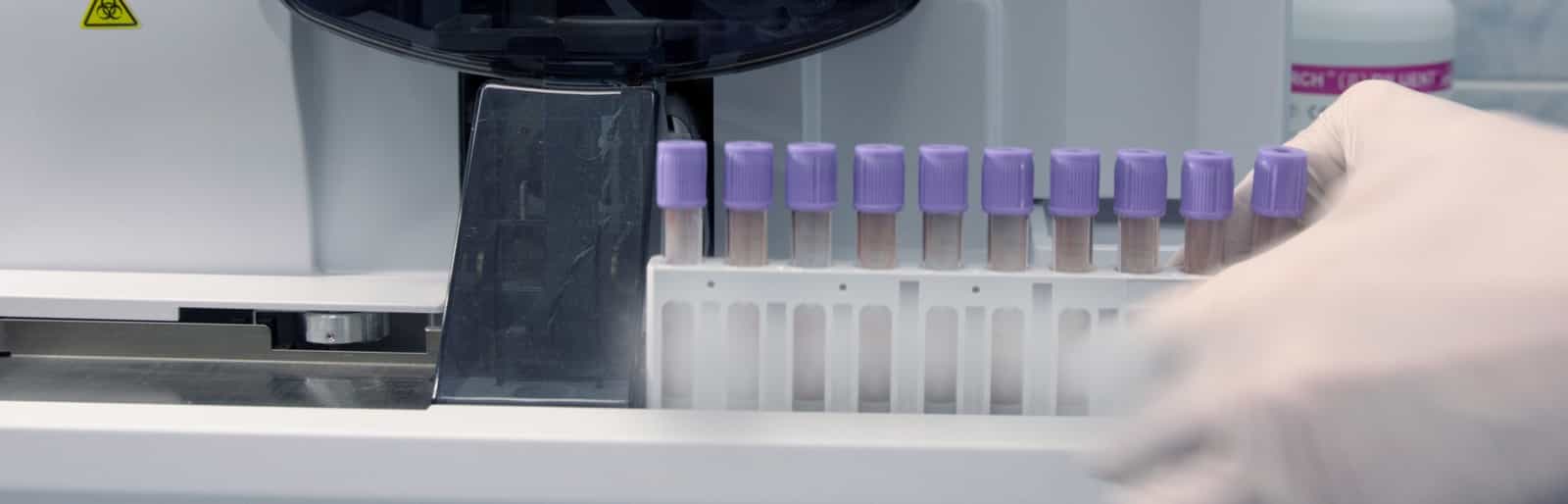
What pump is used for a microbiology analyzer?

While a blood gas analyzer focuses on precise fluid delivery for pH and gas measurements, a microbiology analyzer often prioritizes controlled handling of samples and reagents used for culturing, mixing, or automated processing in a Lab or Laboratory setting. In these systems, the “right” pump depends on whether the application requires:

In these systems, the “right” pump depends on whether the application requires: Gentle, contamination-aware liquid handling (often favoring peristaltic-style approaches with disposable tubing), accurate metering of reagents and wash steps, reliable aspiration and transfer without introducing bubbles that could affect mixing or downstream steps, and compatibility with biofluids and chemical cleaning agents to support consistent testing and reduce carryover risk.When selecting a pump for a microbiology analyzer, teams should start with the same fundamentals used for gas sampling systems — reliable flow control, wetted-material compatibility, and cleaning performance — then expand the evaluation to match the assay’s sensitivity. Because microbiology workflows often include mixing, incubation, and tightly timed reagent steps, even small flow pulsations or trapped air can affect mixing consistency, timing accuracy, and overall repeatability.

A practical selection process typically evaluates:

Flow stability and pulsation control

Wetted-material compatibility

Bubble and air management

Cleaning, wash, and carryover control

Vacuum needs for aspiration and waste handling

Choose a pump that delivers smooth, repeatable liquid movement to protect assay timing and mixing quality.

Confirm tubing and internal surfaces are compatible with biofluids, culture-related reagents, and the lab’s cleaning agents to reduce swelling, degradation, and carryover.

Prioritize strong priming and air-handling features to minimize entrained air that can disrupt downstream steps.

Ensure the pump supports the analyzer’s rinse/wash cycle and helps maintain contamination-free automation across runs.

If the microbiology analyzer requires suction for aspiration, transfer, or waste routing, plan for vacuum pumps as part of the overall vacuum system — while also considering contamination control and service intervals.

The goal is dependable automation that supports repeatable results across runs. By matching pump performance to the microbiology analyzer’s fluidics workflow — especially where suction, wash steps, and contamination control are critical — lab teams can protect quality and reduce variability in time-sensitive testing.

Vacuum pumps and fluid pumps: applications across industries

Vacuum pumps and fluid pumps are used across many analytical and industrial systems to create controlled negative pressure for tasks like aspiration, degassing, filtration support, and drawing fluids through a defined process path. In practice, the “right” vacuum pump type depends on the application’s performance needs — especially the target vacuum level, required flow rate, and how the system handles contamination and maintenance.

For example, some applications require an oil-sealed vacuum pump to reach higher vacuum performance, while others prefer oil-free vacuum pumps to reduce contamination risk and simplify cleaning — an important consideration in sensitive gas and fluid handling environments. Similarly, pump design choices (such as diaphragm-style vacuum solutions versus other vacuum technologies) are often selected based on how well they maintain stable suction, manage condensate, and support reliable long-term operation.

In industrial settings, an industrial vacuum pump is typically chosen for its vacuum range and continuous-duty capability, particularly when chemical vapors, condensate, or demanding process conditions are present. That’s why vacuum pump selection should be driven by the process requirements — pressure/vacuum targets, fluid compatibility, contamination control strategy, and service intervals — rather than vacuum level alone.